• The Art of ChoosingHome page
  • Fine Art Prints3 Editions
  • CollectionsAll Collections
  • AboutAmar Guillen
  • Customer Space & Contact
  • Select your language

    • English (United Kingdom)
    • Français (France)
  • All You Need to Select Your Fine Art Print
    • How to Choose a Fine Art Print - Q&A - FAQ
    • New Creations
    • Explore Some Interiors
    • Fine Art Print Blog
  • Browse by Edition
    • All Fine Art Prints
    • Unique Edition
    • Limited Edition
    • Open Edition
  • Browse by Style
    • Black and White
    • Color
    • Fusion
    • Impression
    • Back to Black
    • Landscapes in Black and White
    • Landscapes in Color
    • Animals in Black and White
    • Animals in Color
  • Browse by Theme
    • Landscape
    • Wildlife
    • Underwater
    • Abstract
    • Symbolic
    • Landscapes of the United States
    • Landscapes of France
    • Landscapes of Scotland
    • Seascapes
    • Relaxing
    • Energizing
    • Playful
  • Browse by Format
    • Rectangular
    • Square
    • Panoramic
  • Contact Me
    • Contact Me by Email or Phone
  • Collections
    • New Collections
    • All Collections
  • Browse by Theme
    • Landscapes
    • Wildlife
    • Underwater
    • Abstract
    • Symbolic
    • Landscapes of France
    • Landscapes of the United States
  • Browse by Style
    • Black and White
    • Color
    • Impression
    • Back to Black
    • Fusion
  • Contact Me
    • Contact Me by Email or Phone
  • Discover More About Me
    • Discover Who is Amar Guillen
    • Artistic and Photographic Statement
  • Galleries
    • Photo Galleries
    • Abstract Portfolio in Color
    • Black and White Landscape Photography Portfolio
    • Color Landscape Photography Portfolio
    • Black and White Wildlife Photography Portfolio
    • Color Wildlife Photography Portfolio
    • Underwater Photography Portfolio
  • Contact Me
    • Contact Me by Email or Phone
  • Your Customer Space
    • Create or Manage your Account
    • Your Download Space
    • Your Orders
  • Contact Me
    • Contact Me by Email or Phone

You are in that section: Home > Blog > Blog of the Photographic Creation Approach

Why and How: Developing a Photographic Consciousness

Your passion may lie in terrestrial or underwater photography. Or perhaps photography is your hobby, a way to relax and escape the stress of your daily activities.

You may have reached the limits of your creativity, and yet, desire to expand your level of expertise in techniques and creativity.

However, you cannot define what it is that you need to embark into greater unknown photographic territory. Perhaps one path you have not explored is the development of your photographic consciousness. This path may enable you to accomplish your goal of expansion.

In this article, I will give you some tips to help you better define your photographic consciousness, thus allowing you to venture to heights in your artistic creativity.
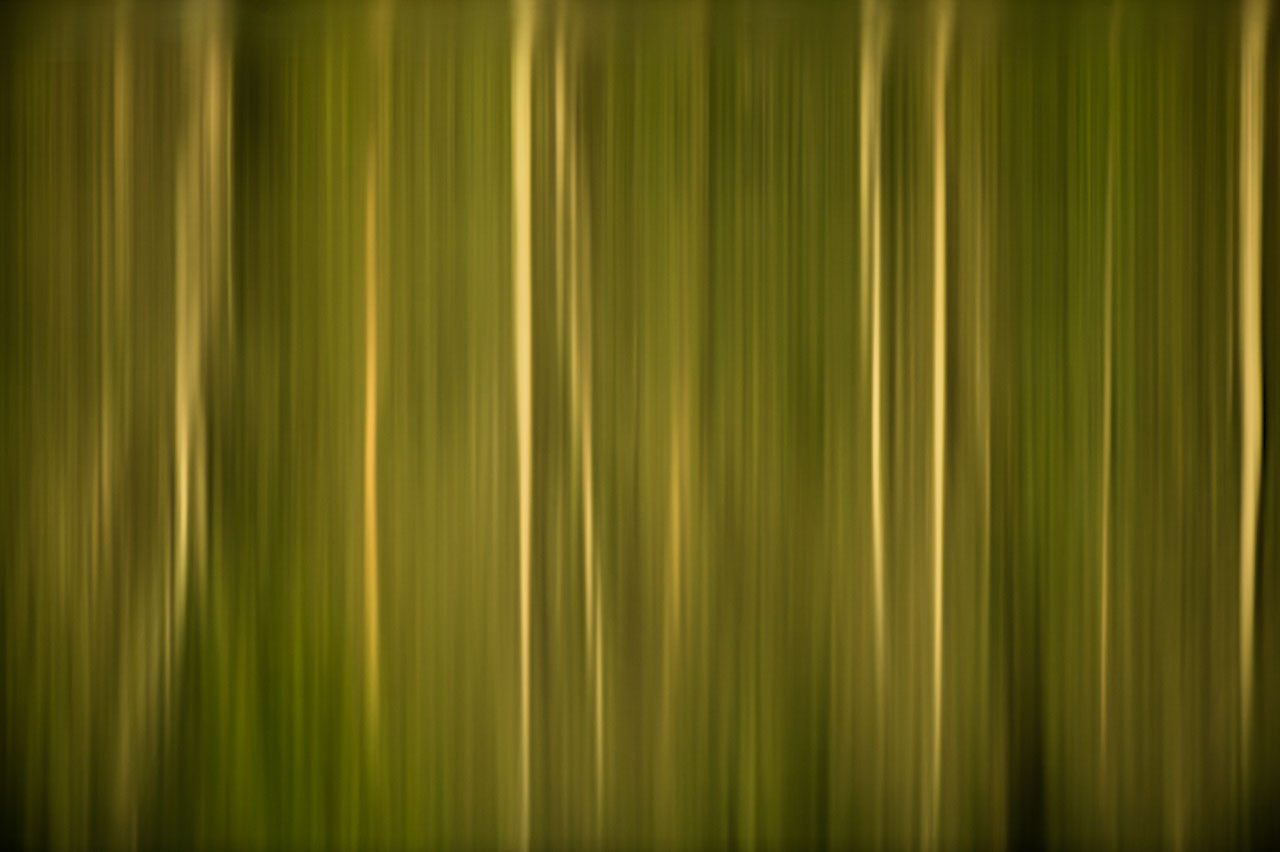
The magic of conceptual photography. A photo from the 'Illusions' art prints collection.

Table of Contents

    Page 1

  • Photography Can Become a Real-Life Project
  • Understand Photographic Time
  • Photographic Time: The Key to Creating Interesting Photos
  • Viewing the World Through the Lens of Photography
  • Page 2

  • A Definition of Photographic Consciousness
  • Why: Developing a Photographic Consciousness
  • The Consequences on Your Artistic Creativity
  • How to Develop a Photographic Consciousness
  • Tools for Developing a Photographic Consciousness
  • My Method
  • My Advice for You
  • Finally

Photography Can Become a Real-Life Project

Nature photography, like many photographic domains, can be considered an ongoing, realistic project of life.

It can give meaning, profoundly directing your existence.

This occurrence happened to me many years ago before I became a professional photographer.

Read Also: How to succeed as a indepedant professional photographer.

I worked for twelve years as a computer engineer. I worked as a design and development engineer, project manager, and then project leader of an IT department. Nevertheless, I continued to question my purpose. Why should I create temporary applications that I knew would only last a few years? These applications would surely disappear with the emergence of new technology. At each technological transition, everything had to be restarted: the analysis, development, and production. What was my purpose in this process of cycles aside from correctly creating meaning in my life? I do not regret working in those positions, because I learned a lot about organization and methodology. However, I discovered that I was constantly racing against the clock to meet deadlines.

In my free time, I practiced photography. During these hours spent in the field, I found peace, rest, and the serenity to truly question myself.

Naturally, I decided to connect my professional activity and my passion for photography. My goal was to create something that would last in time. I desired to create something that I would not have to question the validity and relevance of every two or three years.

I envisioned my long-term future with the possibility of leaving a trace or a brick in this huge building that we call “humanity”.

I found my real-life project.

Understand Photographic Time

I started working for magazines or photo stock agencies. Quickly, I fell back into the trap of my previous professional activity: I finished productions more and more quickly while adapting to the demand and evolution of the market.

After five years of intense work and despite the impressive income being earned, I decided not to continue. Instead, I turned to artistic photography.

Today, when I log in to my Instagram account or my Facebook account, I notice that 95% of the photographs are completed with mobile phones.

I have the impression that photographs are snapped, uploaded, and consumed like a quick meal in the fast food industry. Nothing is crafted to last. Nothing is completed that will greatly enrich humanity. Most of the photographs posted are made by individuals who disregard the concept of creating a brick in the building of humanity.

In these moments of scrolling through images, I feel as if I am reliving my years as a computer engineer or stock-photo photographer for magazines.

All social media photos are taken in a hurry so that they are the first to be seen by the general public. It is a real race against time for those posting on social networks.

Why do all these people fail to realize that it is time for them to rethink their photographic process? Why do they not consider the product value that could increase if they used their photographic time?

For me, this expression of “photographic time” means “to think about real photo projects and real creations”. Authenticity is crucial. It is important to take the time to pause and consider options when publishing a book, creating an exhibition, or giving a photographic presentation. This applies on the field as well.

Photographic Time: The Key to Creating Interesting Photos

Have you ever tried to blend into a landscape, to be one with it just before taking the picture? That is what I try to do in every shot, even when I photograph terrestrial or underwater animals.

When you are on the field trying to capture a photograph, I recommend that you forget your technique for a few moments and try to harmonize with all the natural elements surrounding you.

This perception impacts the way you perceive the light, the photographic elements, and the enveloping atmosphere.

It is a bit like a meditation technique. It is this way of understanding photography that allows me to create nature photos. If you apply photographic time to your own process, you will quickly realize that you are creating interesting photos, because you better understand the setting in which each photo is captured.

Photographic time occurs thinking before, during and after taking a photo.

Viewing the World Through the Lens of Photography

I think practicing artistic photography is a way of looking on my life and seeing the world as it truly exists.

Artistic photography is an art. The photographer always provides his own interpretation of the world he is photographing. However, with time, I realized that the photo itself is not limited by the author’s perspective.

Artistic photography is an extraordinary way to transcend everyday life.

Everyone needs to find solutions to everyday problems. Everyone must understand how to compromise. We must check our accounts, manage collaborators, and respond to customers. Work can be quite stressful.

The artistic photography of nature allowed me to take a step back from my professional activities and my existential questioning. When I'm in the field as part of a photo project, I am at peace. I soak in the serenity of the scene.

I become aware of myself and the world around me. As the years passed by, I developed a photographic consciousness.

“But what is this photographic consciousness?” you may ask.
Read Also: Our story: creators of fine art prints of nature.

A Definition of Photographic Consciousness

3 Steps for Reading and Appreciating a Photograph

You certainly look at hundreds of photographs daily. Whether for your personal projects, professional career or in articles you reference, your attention is constantly captured by images.

But do you really read a photograph? Do you know how to appreciate certain photographic creations?

In this article, I propose a method of photographic reading to better decrypt the content of photos.

This method will help you to develop your creativity and improve your artistic process.

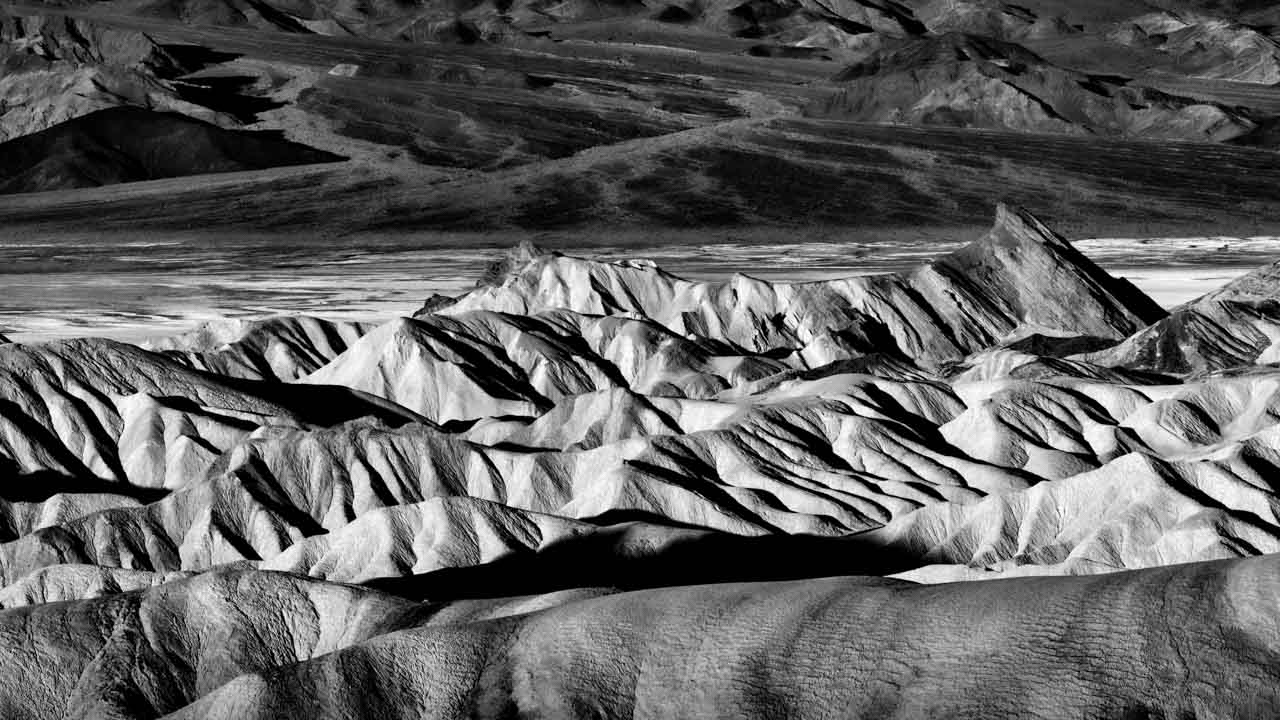
Black and white landscape photograph of Zabriskie Point in Death Valley, United States.

Table of Contents

  • Three Essential Articles to Explore Before Continuing to Read
  • The Story behind this Series of Articles
  • Defining the Words "Read" and "Appreciate"
  • Application to Photography
  • Why: Reading a Photograph is Important to You
  • How to Read a Photograph
  • Step 1: Defining the Photographic Domain
  • Step 2: The Analysis of the Photo
  • Step 3: Judging and Evaluating
  • Some Photos are Unreadable
  • Finally
 

Three Essential Articles to Explore Before Continuing to Read

To fully understand the reading grid of a nature photograph, I recommend you reread the article explaining why and how: analyzing a photograph and the article about the method to judge a photograph.

These two articles are essential because they give you all the keys to dissecting the contents of an image. The idea before addressing the rest of this article would be to re-read the article on why and how story telling makes an interesting image.


The Story behind this Series of Articles

The four articles including the one you are reading is a progression.

You may be wondering why I wrote them, in fact, I am revealing personal techniques that I use in my professional photographic activities.

The idea to share this information came to me after I organized my most recent workshops on nature photographs. Many trainees regularly participate in the courses. The number of participants and their enthusiasm has increased each time. Their dedication and the popularity of the subject itself sparked the ide to devote a new progression of articles to the photographic consciousness.

I realized that very few of them had developed a true creative photographic consciousness. They had all become excellent technicians. They were able to create photos for international competitions, exhibitions, and publications for prestigious magazines and organizations.

But most of them encountered “writers’ block” in a sense, when I asked them to analyze other photos or to interpret a photographic approach.

The blockage was even more obvious when they were required to read a picture.

I thought it would be interesting to share my point of view with a larger number of people, their feedback on my methods would be beneficial, and I would be supporting and enhancing their work. This exchange seemed fruitful for both of us.

These are all the reasons that led me to write this series of four articles.


Defining the Words "Read" and "Appreciate"

Before revealing the method of how read and appreciate a photograph, I think it is interesting to define the words " read" and "appreciate" to better place them in photographic context.

To “read” is to allow your eyes to drift across graphic signs identified by writing, usually in a single language.

One of the definitions “appreciate” is:

to judge the intellectual, moral, and artistic value of something. While you may be admiring the subject, you are also estimating it. Why else would you like something if you did not first deem it worthy of your time and attention?
 

Application to Photography

If I refer to the definition of reading, I mean that a photograph can be read. Artistic photography has its own photographic language. It is therefore perfectly legitimate to talk about reading a photograph.

Read also: Why and how to use the photographic language.

Likewise, the verb to appreciate can be perfectly used in a photographic context because you can judge a photograph and give an appreciation.

Read also: Why and how to judge a photograph.

Again, the word “read” is crucial. Surely if you do not understand a language you can somewhat “appreciate” a work, but you will be doing so with blind eyes. You can not possibly appreciate a photo until you can judge it, and to judge a photo you must be able to read it and understand the photographic language that the creator was speaking.


Why: Reading a Photograph is Important to You

If you learn to read and appreciate the photographs of other photographers, you will gradually develop a true photographic consciousness.

It will allow you to build and improve your artistic approach.

I remind you that the definition of a true personal artistic approach is the defining act of your photographic creativity. It is the foundation of your photographic activity in leisure and in profession.

Knowing how to read a photograph in an objective, systematic, and consistent way will help you to create unique and interesting photographs.

This is certainly what you want to do by choosing artistic photography as a means of expression.

The consequence of a good photographic reading is the development of an extraordinary quality for you, the photographer: to appreciate the creations of other photographers. In addition, you will be able to more easily locate your own works when they are compared to the others. You will define your place in the photographic world.


How to Read a Photograph

My method for reading a nature photograph occurs in three distinct steps:

  • Define the field of photography to which it belongs.
  • Analyze the specific content.
  • Judge and evaluate the work overall.
 

Step 1: Defining the Photographic Domain

For this first step, you must be able to clearly say whether it is an illustrative, artistic, or conceptual photograph.

Is it intended to promote a product or brand? Is the photo a translation of an emotion felt by the photographer who took it? Does it convey a message, an idea? Is this photo intended to shock, to question, or to create a questioning of the viewer? Is it an aesthetic picture? Was it created to testify, to show a scene of life? Is it just a detail of a scene?

This first step must allow you to define the purpose of the photograph.


Step 2: The Analysis of the Photo

During this second step, you must analyze all the photographic elements.

You must simply make an inventory. I advise you to analyze the composition, the framing, the positive space and the negative space. Take note of each detail.

Try to study the construction desired by the photographer. Look for the elements of reading reinforcement. Try to understand why and how all the elements have been put in each specific place.

During this step, you should try to understand the technical reasons for creating the image. Remaining objective, you must look at how the depth of field was managed, if the bokeh technique was used, what speed was chosen, etc.

If it is an animal, what is it doing? What is its attitude? Where is it looking?

If the scene represents a landscape, do you recognize the place? What do you see in the foreground? What are the details that you notice the second time you glance at it?


Step 3: Judging and Evaluating

During this third step, you must try to clear the general atmosphere of the photo you are watching.

It is at this precise moment that I recommend you read the title and the legend or caption accompanying the photograph. You will be able to discover its context. The proposed text will guide your understanding of the image.

Do you understand what the photograph wants to show? How do you react? What emotions and feelings do you feel?

The idea behind this third step is that you carry a value judgment. You have to make sense of the picture.

This step is subjective. It appeals to your ethical and moral values and your experience.

You must understand that judging and evaluating a photograph does not involve criticism. You are merely formalizing what you feel and what inspires you when you study the picture.

It is you who speaks. Be honest, straightforward and direct. Your voice is important, and only you can share what is in your mind.


Some Photos are Unreadable

If you apply this method of photographic reading in a systematic way, you will quickly realize that many photographs are unreadable.

Do not imagine that your method is ineffective or inadequate. Do not believe that you do not have all the tools required to read well.

It is simply that the photographers who proposed them have taken photos but have not created them. They merely took snapshots. There was no construction or careful thought given on the field or in post processing.

Read also: Why photographers take photographs.

As I wrote in this article, there are many reasons why people take pictures.

We write books and then share them with our friends, family, and audience, all of which can participate in reading our work if they can read the written language. The same goes for photographs. When we take photographs and share them, our audience can read our image if they speak the photographic language.

If you cannot read photos, it is because they were not taken in an order which makes them interesting. Do not waste time looking at these photos, they are not worth your time.

Spend your energy reading and enjoying photos that are worth your time. Life is too short to waste time. It is this principle that I adopt in all my endeavors.


Finally

By reading and enjoying photos, you can progress in photography by further developing your photographic awareness.

In this article, I proposed to you a reading guide in three simple steps. It is easy to remember and very effective.

If it does not satisfy you, do not hesitate to define your own method. I recommend you always apply a systematic and consistent method to reach the best results possible.

Knowing how to read and appreciate photos is a real lever for creating even more unique and interesting photos.

  1. Why and How: Judging a Photograph
  2. The Contextualization Is an Important Step to Analyze a photograph
  3. 4 Steps to Analyze a Nature Photograph
  4. 6 Tips to Create Great Storytelling with Your Photos

Page 70 of 201

  • 65
  • 66
  • 67
  • 68
  • 69
  • 70
  • 71
  • 72
  • 73
  • 74
  1. You are here:  
  2. Home
  3. Blog Photographic Approach

Share on Social Media

Post
Share
Share
E-mail
WhatsApp
Text

Join Me on Social Networks

Join Me on Facebook  Join Me on Instagram  Join Me on LinkedIn

Claim your free guide to make your photo impactful and meaningful

Claim Your Free Guide '50 Pages of Tips to Give Impact and Meaning to Your Photos'.

1 + 2 =

Click Here To Discover All My Chronicles About the Photographic Approach.

Treat Yourself to a Fine Art Print That Matches your Personality

Example of a vacation home interior with a black and white fine photo art displayed on the wall.

Fine Art Print Collections in Black and White

Fine Art Print Collections in Black and White Black and white photography is a suitable technique for many nature scenes. It requires a particular frame of mind. A black and white photograph should be prepared and planned from the framing to the…
11998
Fine Art Print Collections in Black and White
An abstract art photo displayed in a contemporary living room decor.

Fine Art Print Collections in Color

Collections of Fine Art Prints in Color Color photographs allow digressions and take the audience to the message by secondary ways. The world around us, especially nature, is colorful. A color image can show the way our surroundings really are. Of course, it…
10446
Fine Art Print Collections in Color
Example of a home interior with fine art prints in my style back to black displayed on the wall. These photos are a part of my collection 'Wild beauties of Kenya'.

Fine Art Print Collections in Back to Black

Fine Art Print Collections in Back to Black I want to share my fine art prints of nature in a personal style that I call "back to black." "Back to Black" was developed to embody a sharp and clean style for artistic photos that can be hung in your living room,…
9984
Fine Art Print Collections in Back to Black
A waiting room with a photo in the style Fusion displayed on the wall. Grey Heron in Fusion.

Fine Art Print Collections with the Fusion Style

Fine Art Print Collections with the Fusion Style I would like to share a very creative and modern photography style to represent Nature in a very different way. I call it "Fusion." I created the style to offer dynamic photos, allowing you to start a good day…
7915
Fine Art Print Collections with the Fusion Style
A living room with a photo in the style 'Impression' exposed on the wall. Rising sun in impression

Fine Art Print Collections with the ‘Impression’ Style

Fine Art Print Collections with the ‘Impression’ Style The objective of this photographic style is to create the ephemeral blurs. That's why I named it 'Impression.' Photography, as an art form, is a powerful means of expressing reality from different…
5830
Fine Art Print Collections with the ‘Impression’ Style
Fine art prints from the style back to black displayed on a wall. Amar Guillen, photographer artist

New Collections of Fine Art Prints Dedicated to the Wonders of Nature

New and Updated Fine Art Print Collections Dedicated to the Wonders of Nature Fine art prints from the style back to black displayed on a wall.
11449
New Collections of Fine Art Prints Dedicated to the Wonders of Nature

Themes of the Blog Articles

Landscape of Arches National Park in Utah in black and white.

Blog Articles Dedicated to Artist Statement

Blog Articles Dedicated to Artist Statement
Dunes of death Valley in Black and White

Blog Articles Dedicated to Black and White Photography

Blog Articles Dedicated to Black and White Photography
Abstract photo or trees reflection on water

Blog Articles Dedicated to Photographic Mindset

Blog Articles Dedicated to Photographic Mindset
Abstract photo of ridles on water

Blog Articles Dedicated to Artistic Photography

Blog Articles Dedicated to Artistic Photography
Abstract photo of Yellowstone

Blog Articles Dedicated to Photographic Language

Blog Articles Dedicated to Photographic Language
Pronghorn in Yellowstone

Blog Articles Dedicated to Wildlife Photography

Blog Articles Dedicated to Wildlife Photography
Landscape of Bryce Canyon

Blog Articles Dedicated to Photographing United States

Blog Articles Dedicated to Photographing United States
Underwater waves in the Red Sea

Blog Articles Dedicated to Photographic Techniques

Blog Articles Dedicated to Photographic Techniques
Tree of Black Canyon in Black and White

Blog Articles Dedicated to Landscape Photography

Blog Articles Dedicated to Landscape Photography
Manta Ray in Maldives in Black and White

Blog Articles Dedicated to Underwater Photography

Blog Articles Dedicated to Underwater Photography
Red Deer stag during the rut of the deer

Blog Articles Dedicated to Photographic Judgement

Blog Articles Dedicated to Photographic Judgement
Great Crested Greb and his chick

Unclassified Blog Articles

Unclassified Blog Articles


Receive Free Tips On How to Give Impact and Meaning to Your Photos. Subscribe to Receive Regular Articles.

7 + 2 =

Contact Me By Email

5 + 3 =
This site is protected by reCAPTCHA and the Google Privacy Policy and Terms of Service apply.

About Amar Guillen, Creator of Fine Art Prints of Nature
As a photographer capturing the artistic essence for several decades, I have mastered the art of crafting an authentic experience for art enthusiasts and collectors of visual art.
When I observe my surroundings, be it friends, family, relationships, or professional contacts, I see souls in perpetual motion. Every moment of their existence is engulfed by daily hassles, work concerns, social media, online or televised information streams, and videos on the web.
Every minute, they strive to accomplish something, fearing losing ground and feeling marginalized in this frenzied society. Imprisoned by an oppressive schedule, the essential eludes them, drowned in the tumult of daily life. Is it really crucial to watch yet another cat video on the internet? Is it necessary to post twenty daily messages on social media?
Despite this, they remain constantly stressed and anxious about the challenges of the world, without being able to influence these monumental problems. It is at this moment that my artistic nature photographs come into play. Those who have had the privilege of hanging one of my works in their personal or professional space have expressed a radical transformation in their lives.
Every day, contemplating these works of art immerses them in tranquility, inner peace, and rediscovered serenity. They then understand that nature has the power to unravel tensions, to encourage reflection on the essential. Artistic photographs thus become open windows to the wonders of nature.
I have chosen to share the best of myself by helping others discover their identity, personality, style, all while reconnecting with nature. Take the time to explore my artistic photographs if you wish to reveal your true essence. Once hung in your space, your view of the world will be transformed.
Amar Guillen is a creator of fine art prints of nature.
I am Amar Guillen, creator of nature art photographs. I have a deep conviction that contemplating nature has the power to transform human beings. If everyone learned to know, respect, and preserve nature, our world would be transformed into a haven of peace where everyone would find their place.
Copyright © 2003 - 2026 Guillen Photo LLC - All rights reserved. Amar Guillen, professional photographer since 2003.
  • Blog
  • Calibration
  • Legal Information
  • Sitemap
  • Accessibility
  • Contact Me
  • Updates of the Website
I Want to Help You to Create Interesting Photos

How Can I Help You To Create More Interesting Photos?

Ask Me a Technical Question.
Subscribe to my Newsletter. The Inspiration Behind Guillen Photo.

Select your language

  • English (United Kingdom)
  • Français (France)
Claim your free guide to make your photo impactful and meaningful

Claim Your Free Guide '50 Pages of Tips to Give Impact and Meaning to Your Photos'.

1 + 8 =

Contact Me By Email

4 + 8 =

Office Address:
3512 Robin Road
Plano Texas 75075
USA

Office phone: (+1)214-769-6825