• The Art of ChoosingHome page
  • Fine Art Prints3 Editions
  • CollectionsAll Collections
  • AboutAmar Guillen
  • Customer Space & Contact
  • Select your language

    • English (United Kingdom)
    • Français (France)
  • All You Need to Select Your Fine Art Print
    • How to Choose a Fine Art Print - Q&A - FAQ
    • New Creations
    • Explore Some Interiors
    • Fine Art Print Blog
  • Browse by Edition
    • All Fine Art Prints
    • Unique Edition
    • Limited Edition
    • Open Edition
  • Browse by Style
    • Black and White
    • Color
    • Fusion
    • Impression
    • Back to Black
    • Landscapes in Black and White
    • Landscapes in Color
    • Animals in Black and White
    • Animals in Color
  • Browse by Theme
    • Landscape
    • Wildlife
    • Underwater
    • Abstract
    • Symbolic
    • Landscapes of the United States
    • Landscapes of France
    • Landscapes of Scotland
    • Seascapes
    • Relaxing
    • Energizing
    • Playful
  • Browse by Format
    • Rectangular
    • Square
    • Panoramic
  • Contact Me
    • Contact Me by Email or Phone
  • Collections
    • New Collections
    • All Collections
  • Browse by Theme
    • Landscapes
    • Wildlife
    • Underwater
    • Abstract
    • Symbolic
    • Landscapes of France
    • Landscapes of the United States
  • Browse by Style
    • Black and White
    • Color
    • Impression
    • Back to Black
    • Fusion
  • Contact Me
    • Contact Me by Email or Phone
  • Discover More About Me
    • Discover Who is Amar Guillen
    • Artistic and Photographic Statement
  • Galleries
    • Photo Galleries
    • Abstract Portfolio in Color
    • Black and White Landscape Photography Portfolio
    • Color Landscape Photography Portfolio
    • Black and White Wildlife Photography Portfolio
    • Color Wildlife Photography Portfolio
    • Underwater Photography Portfolio
  • Contact Me
    • Contact Me by Email or Phone
  • Your Customer Space
    • Create or Manage your Account
    • Your Download Space
    • Your Orders
  • Contact Me
    • Contact Me by Email or Phone

You are in that section: Home > Blog > Blog of the Photographic Creation Approach

The Catchlight is Important When Photographing the Expression of an Animal
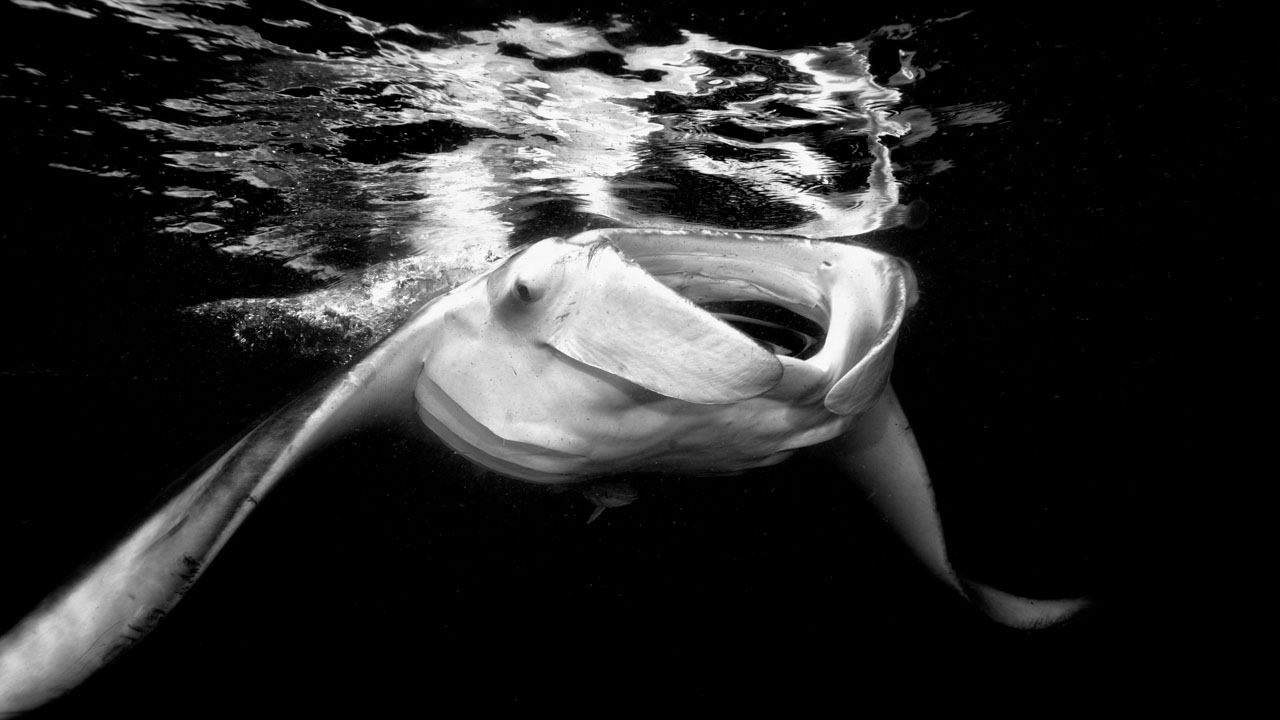
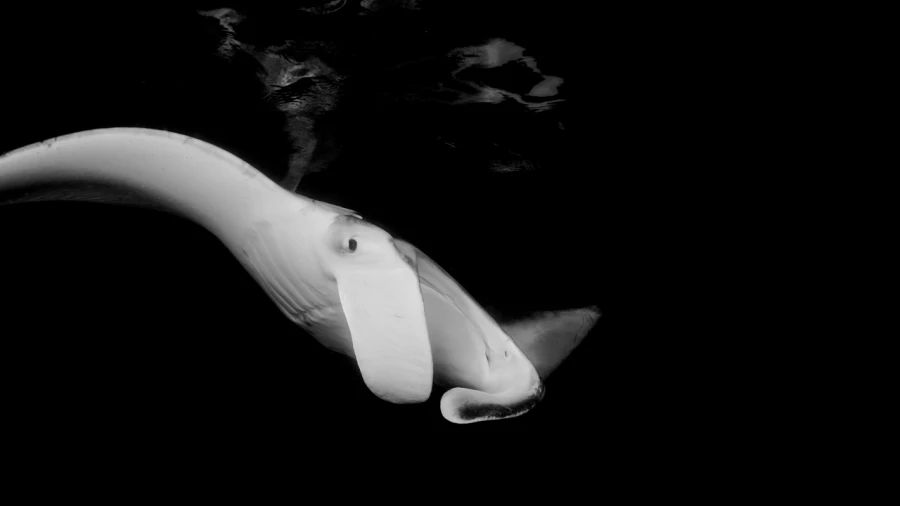
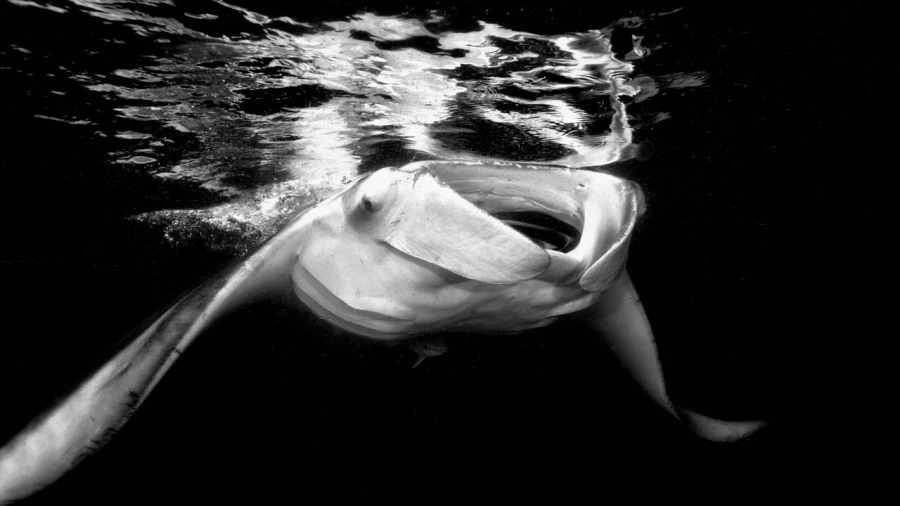
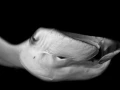
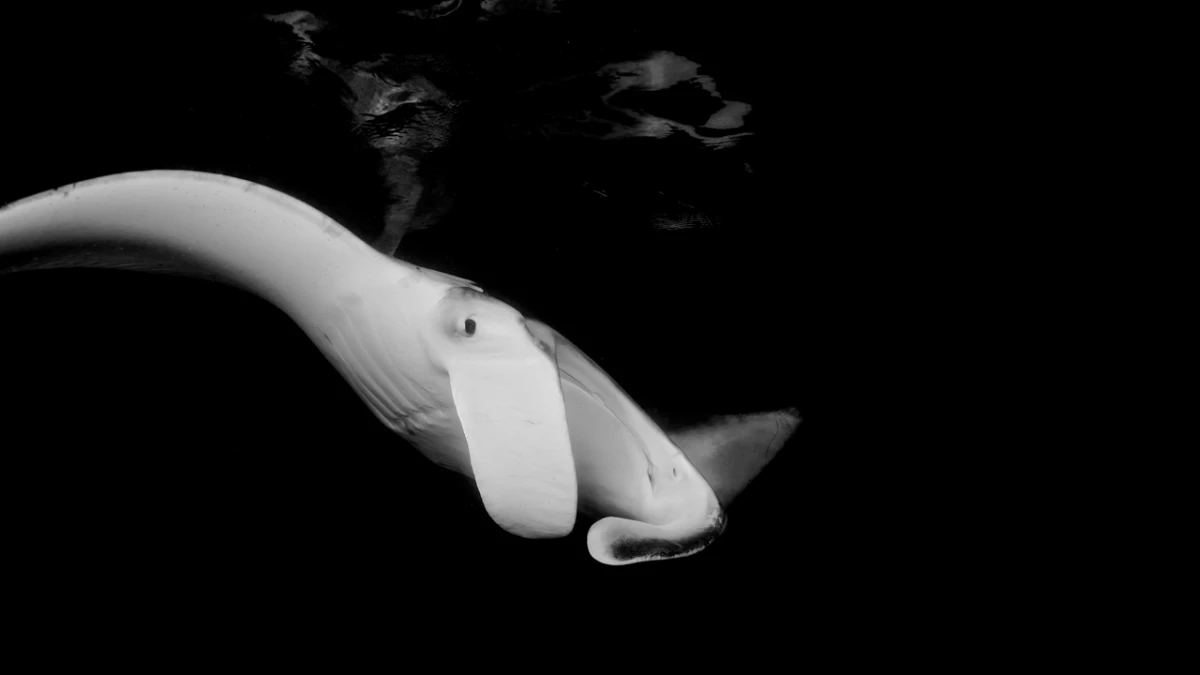
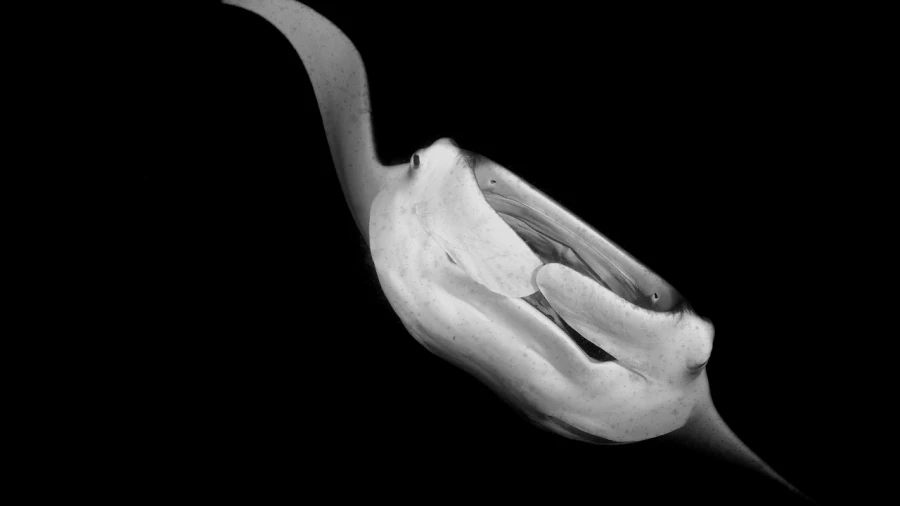
The look of that manta ray show curiosity.

Breaking the Rule of Thirds

Creating contact with the eyes of an animal immediately catches the attention of the viewer of a photograph. Nevertheless, the eyes will not necessarily be on one focus point in the photo. This should not be a concern, since the rules used in the moment of shooting, once they are mastered, can be forgotten voluntarily for a specific reason.

The important thing one must remember is that the photographer must direct the line of sight between the photographed eyes and the viewer’s eyes.

To accomplish this expertly, we recommend trying different positions or tests to determine how you as the photographer prefer to direct attention to the animal's eyes.

If you are trying to photograph an animal looking down, do not hesitate to make a noise to get his attention and raise his head. If he is alert, the gaze will appear strongly focused at the viewer.

Photographing at Eye Level

Whether in terrestrial or underwater animal photography, I always try to photograph at eye level; the photographs have more impact because the line of sight is strong.

It is obvious that for birds flying, you will have to photograph low angle. But in this case, it is quite rare that you manage to capture the eyes of the birds.

This is also the case in underwater photography. Low-angle photography is a technique I use a lot for fish or marine mammals.

It makes it possible to show my subjects in a more imposing way and to give them volume. But I do not make it an absolute rule. For photography of small crustaceans or fish, I arrange myself to always photograph at eye level.

From my point of view, a photograph of an underwater or terrestrial animal at high angle has no interest in artistic photography. I can conceive it in illustrative photography because it can show a behavior. But a high-angle photograph crushes the subject. You lose the notion of volume and size.

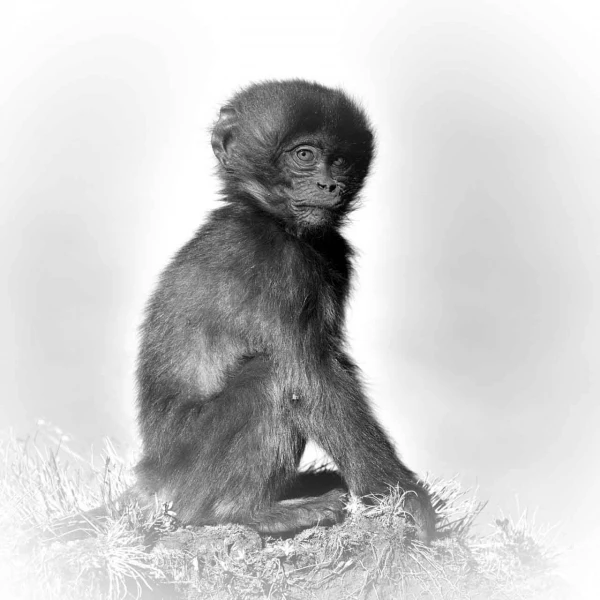
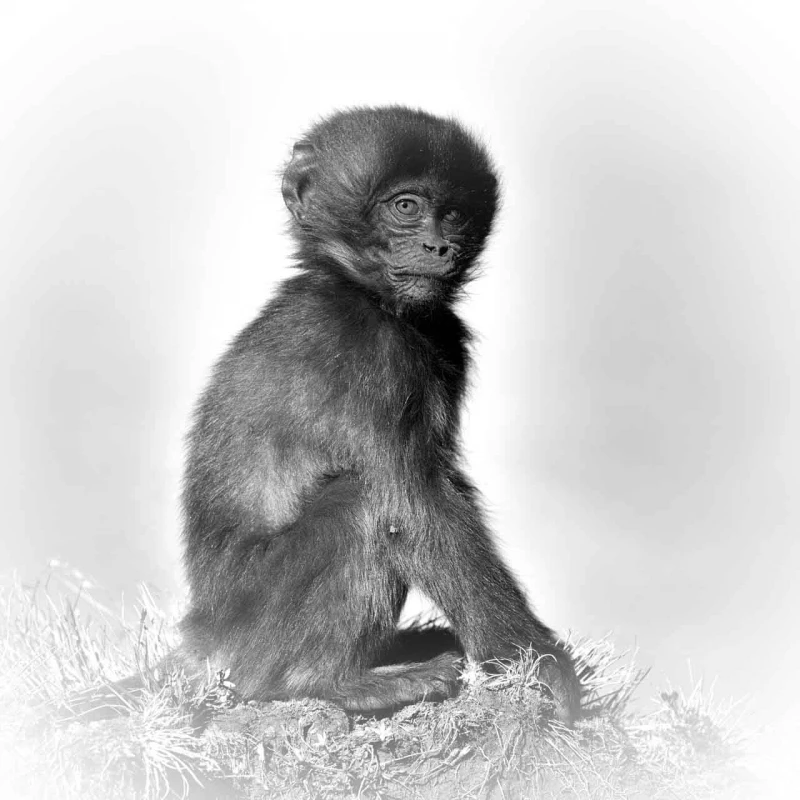
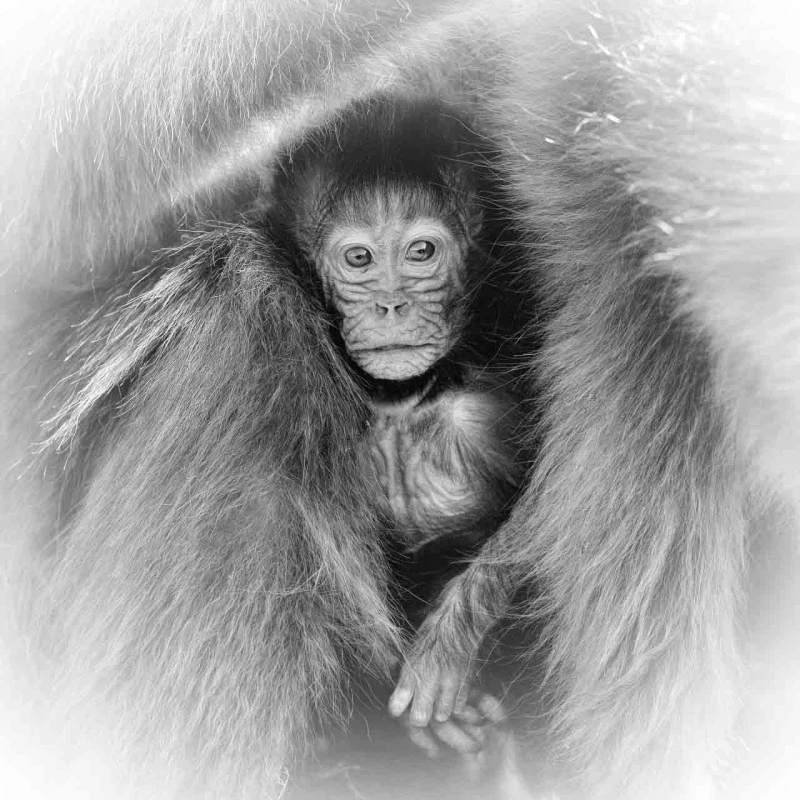
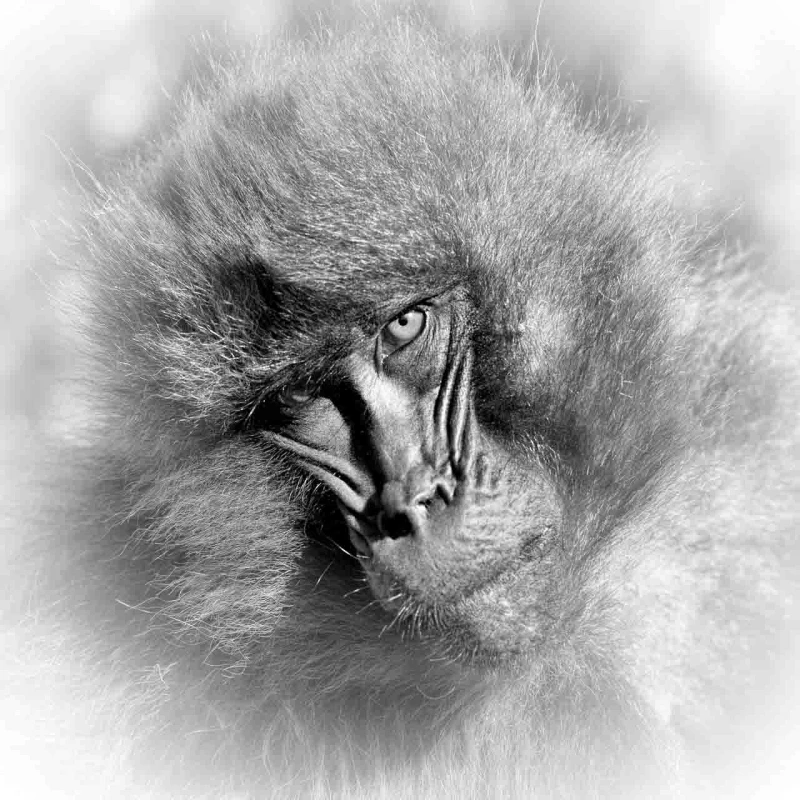
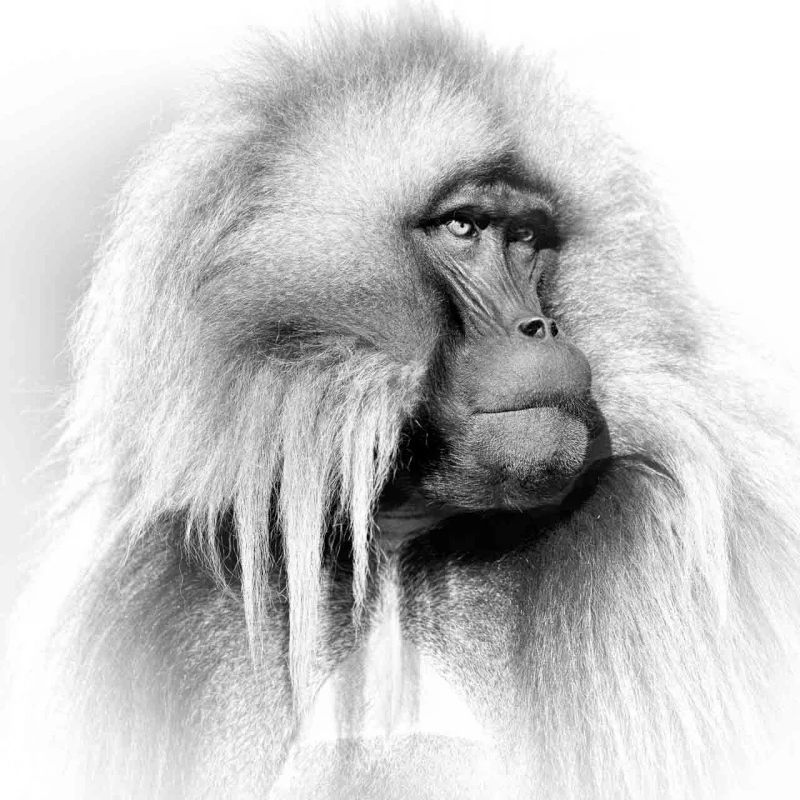
To photograph terrestrial animals, depending on the size of the animals, I arrange to find the best position. For monkeys like geladas or vervet monkeys for example, I'm always lying or sitting. It is certain that in nature it is not always appetizing because I drag myself in the excrement all day long, but the results are absolutely extraordinary.

When I photograph mammals from a blind, the height of my seat depends on the size of the animals. In Africa, I never photograph from the 4x4 roof: only from the windows.

For wetland bird photography, I only photograph from a floating blind.

This is the only way to create photographs with a strong look besides the fact that it allows me to approach very close the animals.

Photographing a terrestrial or underwater animal at eye level allows contextualizing the animal in its environment. You can show his universe from his point of view and not only from yours.

Whenever possible, try to always put yourself at the height of the animal. Avoid as much as possible high-angle photography.

Focus on the Eyes

I think that in wildlife photography, eyes are the most important elements to highlight. They are the ones who will determine the intensity and impact of your photography.

It is for this reason that it is absolutely necessary to focus your camera on the eyes. If the eyes are blurry or are not quite sharp, the photograph is missed. Indeed, the viewer will not be able to connect to the main point of interest of the photo.

Of course, this rule does not apply in the case of a photograph that uses the creative technique of motion blur. For example, a herd of buffaloes photographed blurry during the crossing of the Mara River will give an unreal effect.

As always, every rule has its exceptions.

If you are taking a picture an animal, the focus point should in most cases be on the eyes.

Show the Catchlight in the Eye

The catchlight in the eye is a small white spot of light in the black pupil. It is created by reflected light. This small brightness has a huge impact. He brings life to a photograph.

I often call this light "the shine of life”. I think it's also very cultural. When we learned to look at and analyze painted portraits, painters always add this spot of light to catch the eye of the viewer. When we look at a living being, we seek it systematically.

Much more than sharp eyes, we seek the shine of life to identify ourselves with a living being.

There is no real trick to add it to an animal's gaze because you cannot change the position of the sun or the subject for obvious reasons. But anyway, it is absolutely necessary to avoid having the head of an animal in the shade if you want to see this small light appear.

For me, if the day light or the sun is present in a photograph, the catchlight in the eye is an indispensable element. Otherwise the picture is missed.

In post-development, I accentuate its effect to make it even more visible.

If you are a little curious, try using a development software to remove this spot of light. Immediately you will see that your photography does not have any impact. You have black eyes. You can no longer identify yourself with the living being photography. I assure you that this is a test to be done to understand the interest of the catchlight.

I am so obsessed with this shine of life that when I take a photograph of an animal and my eye is looking thru the viewfinder of the camera, I always wait for the right moment to detect it. Only then do I trigger.

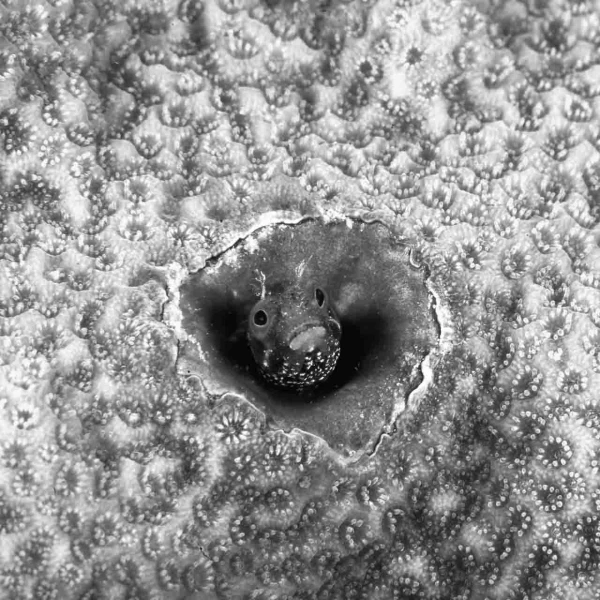
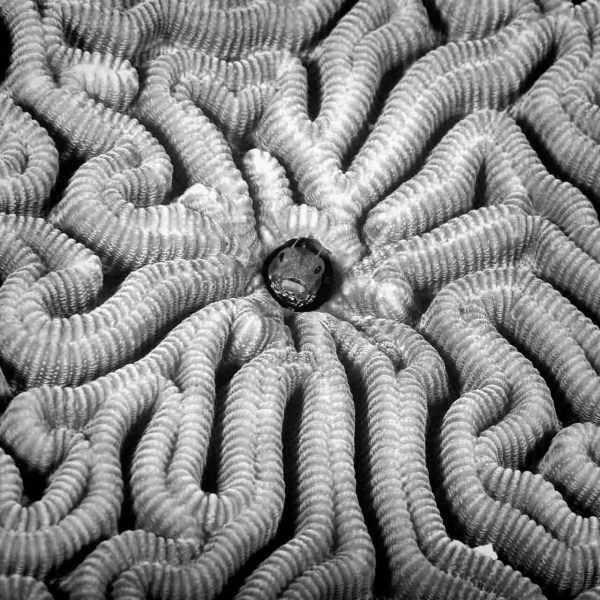
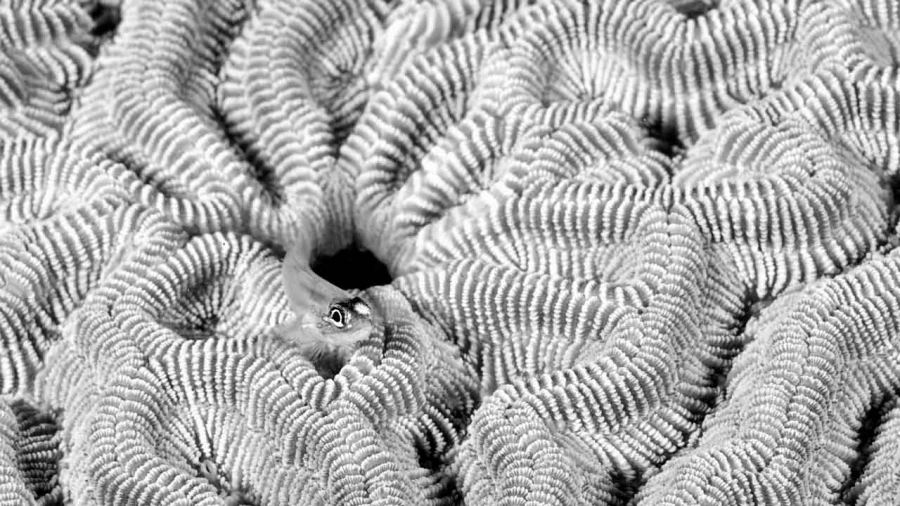
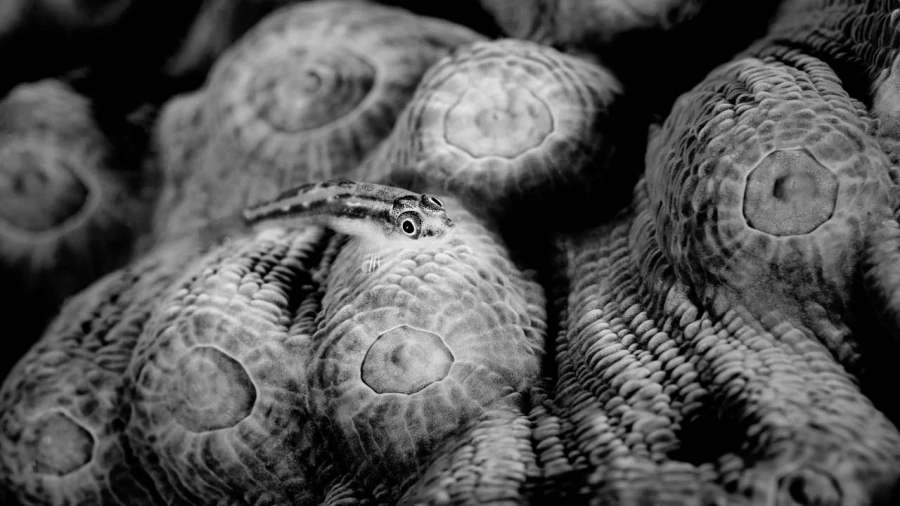
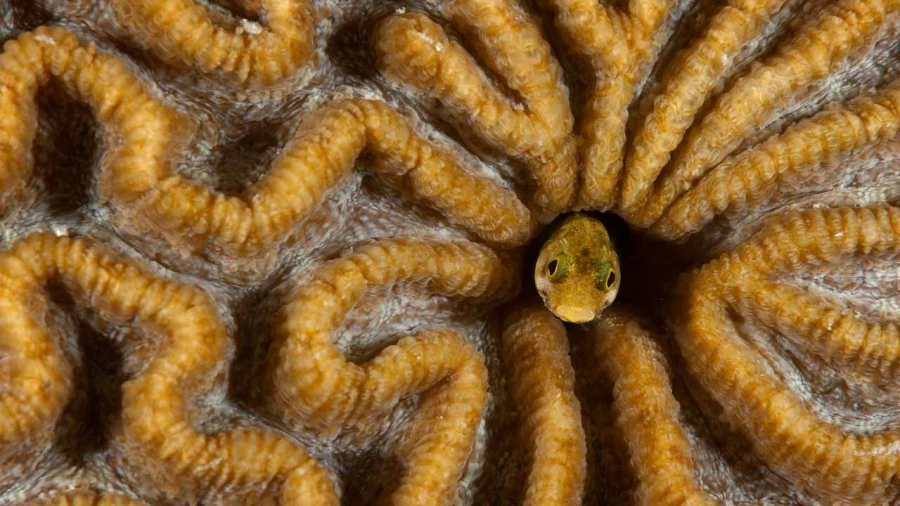
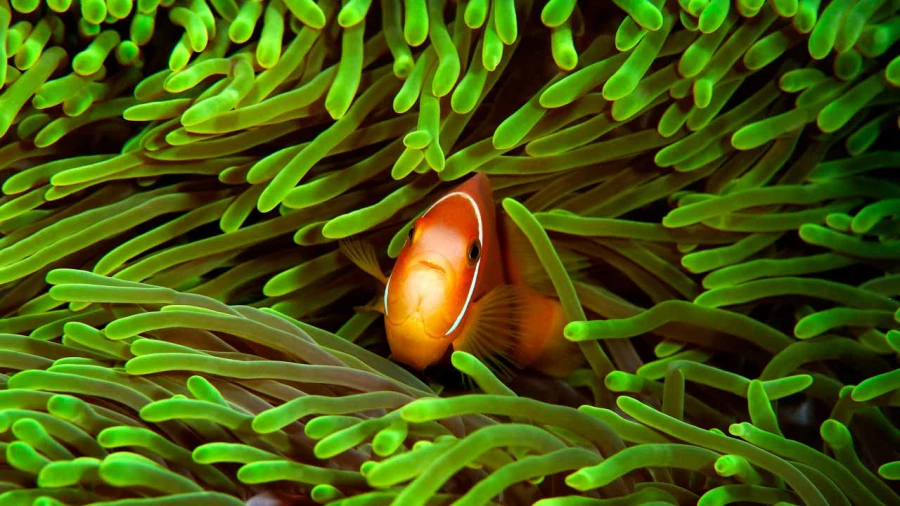
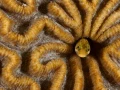
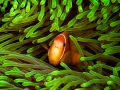
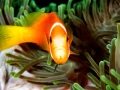
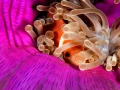
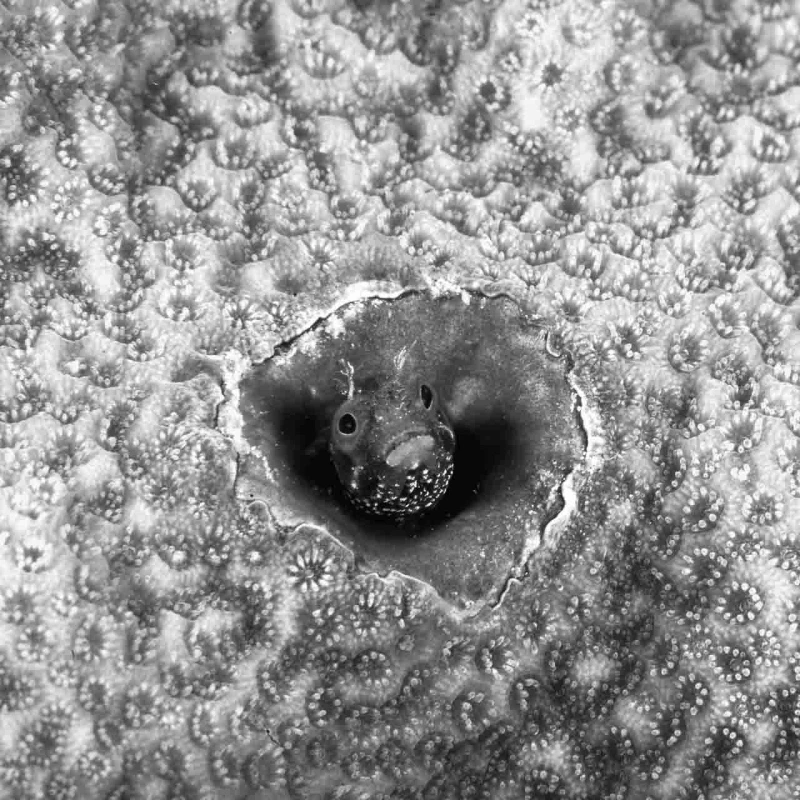
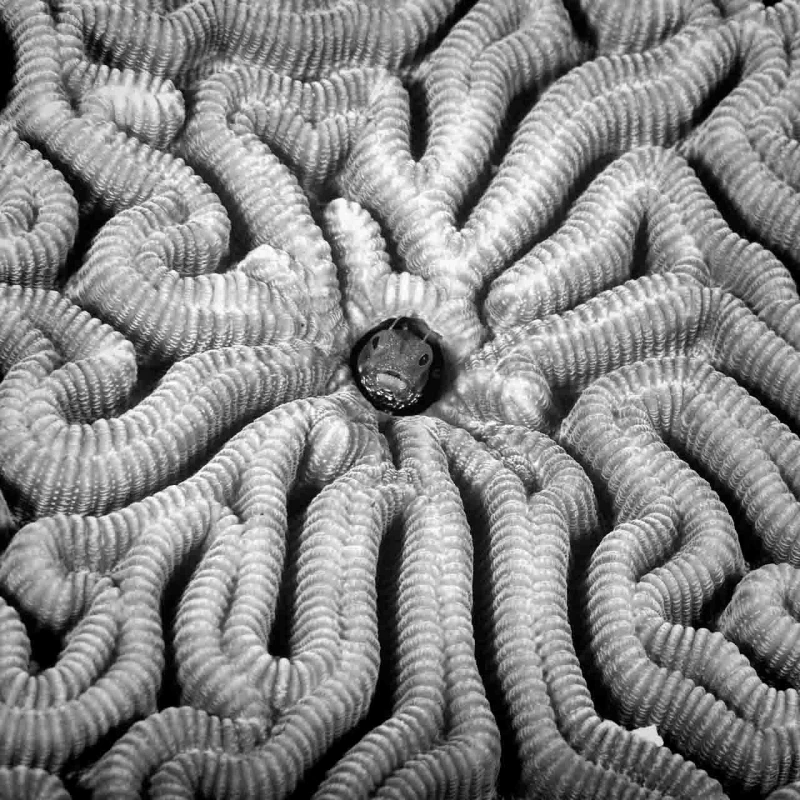
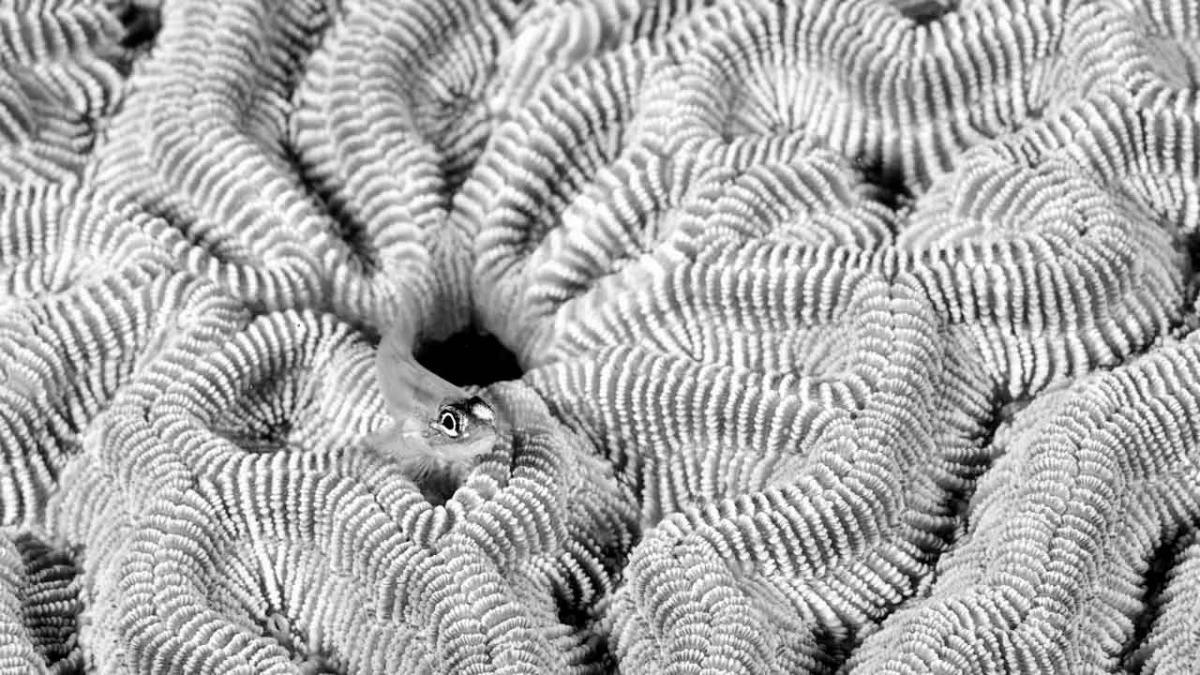
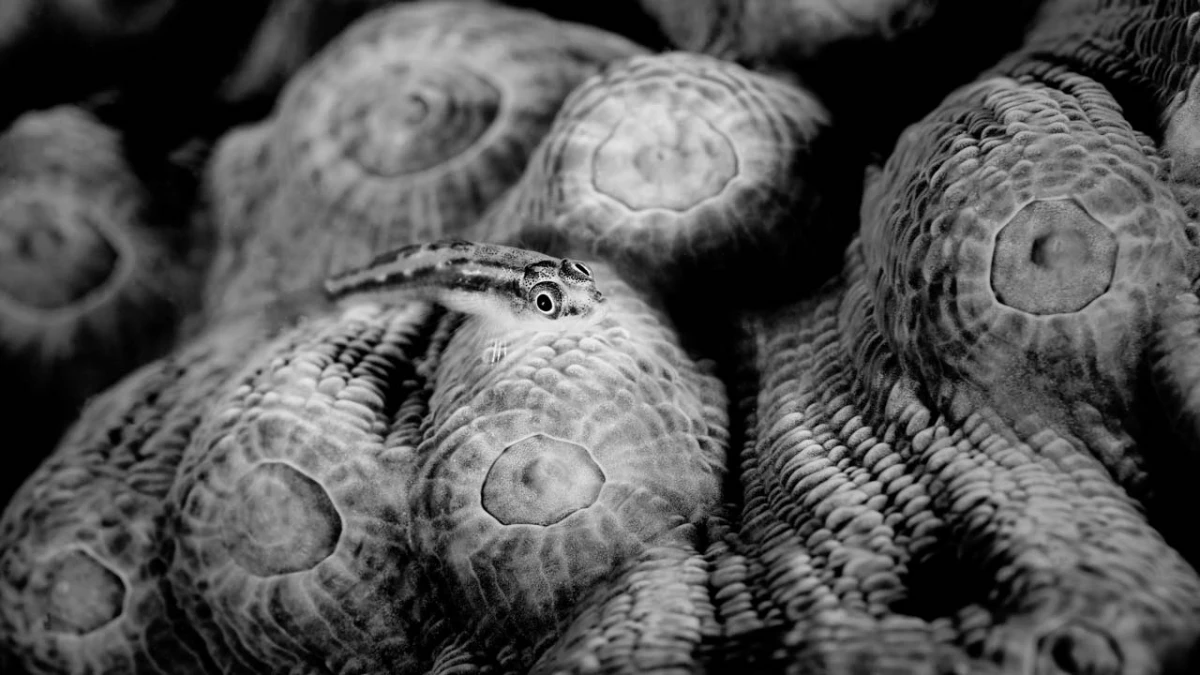
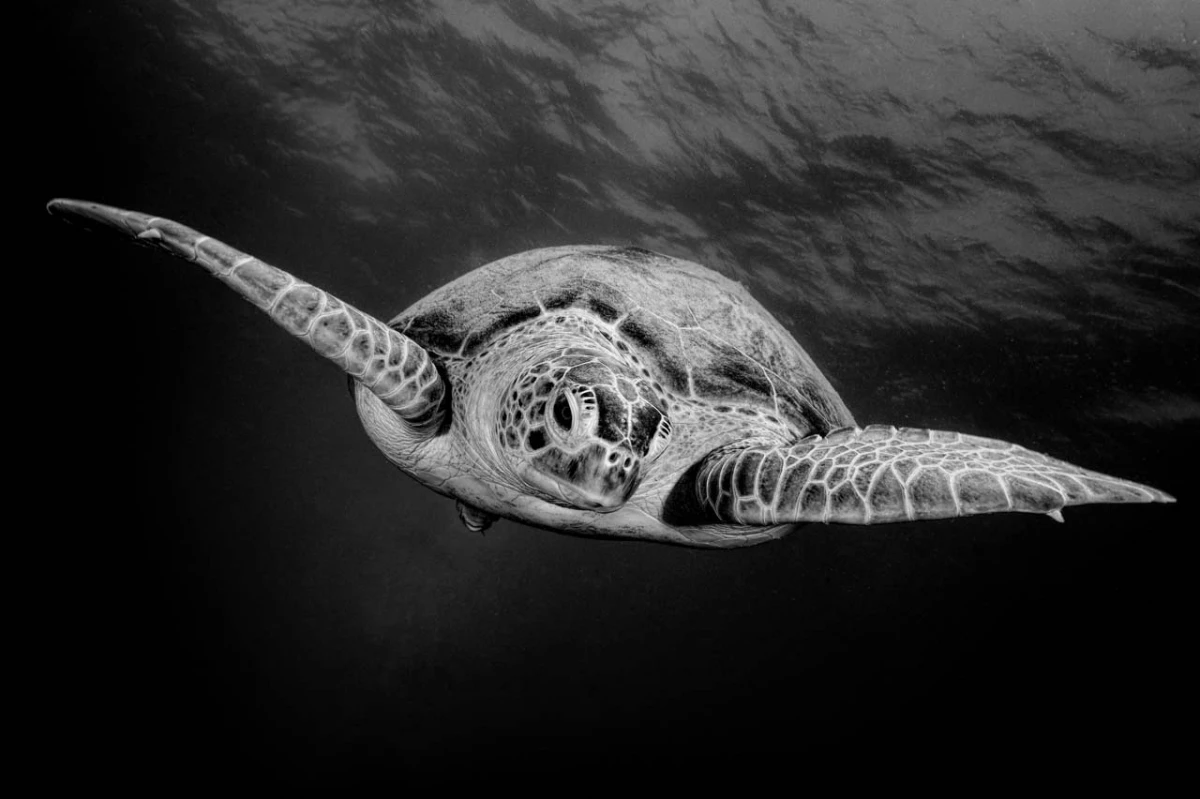
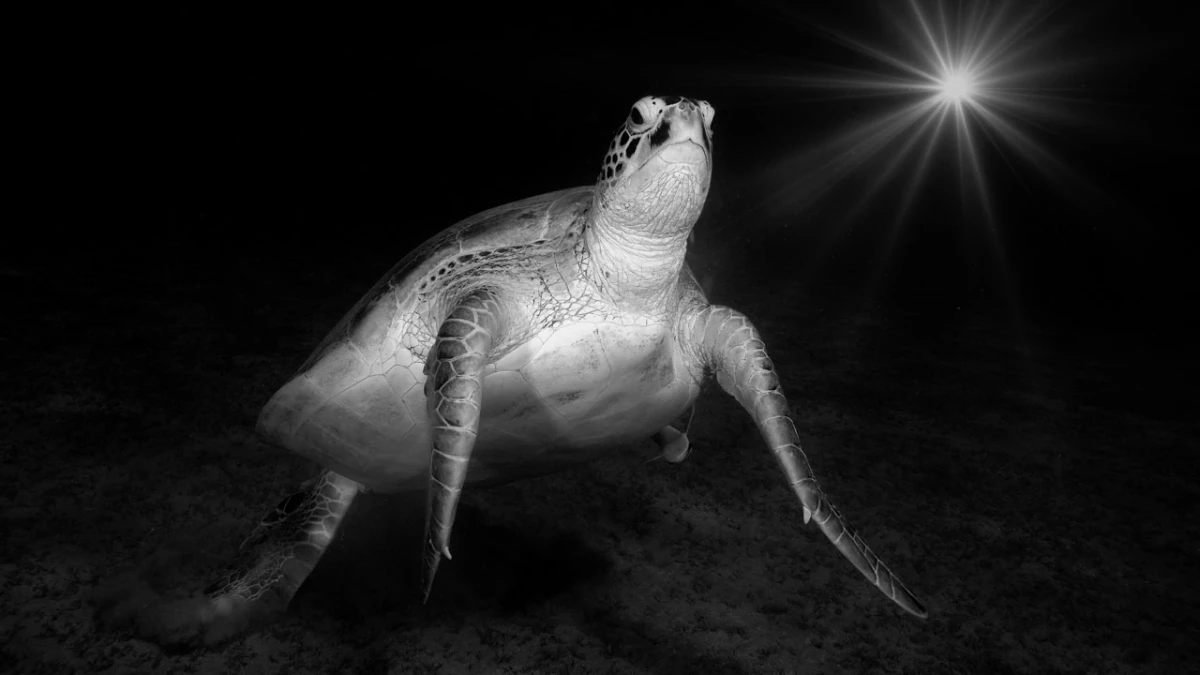
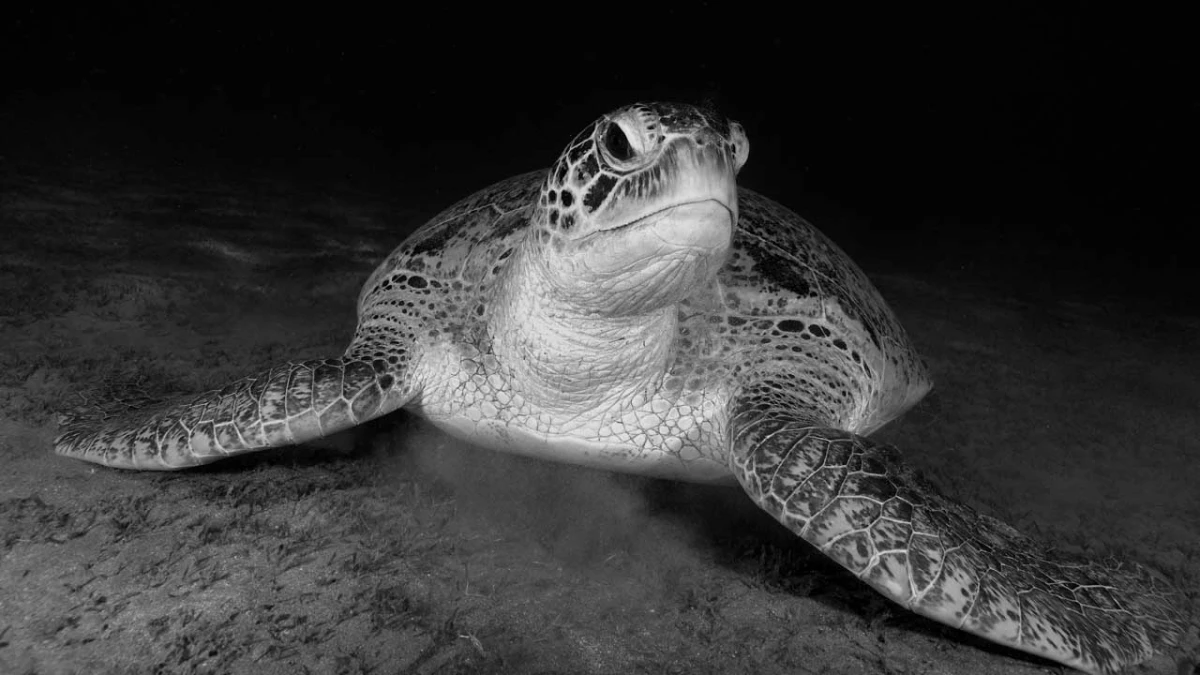
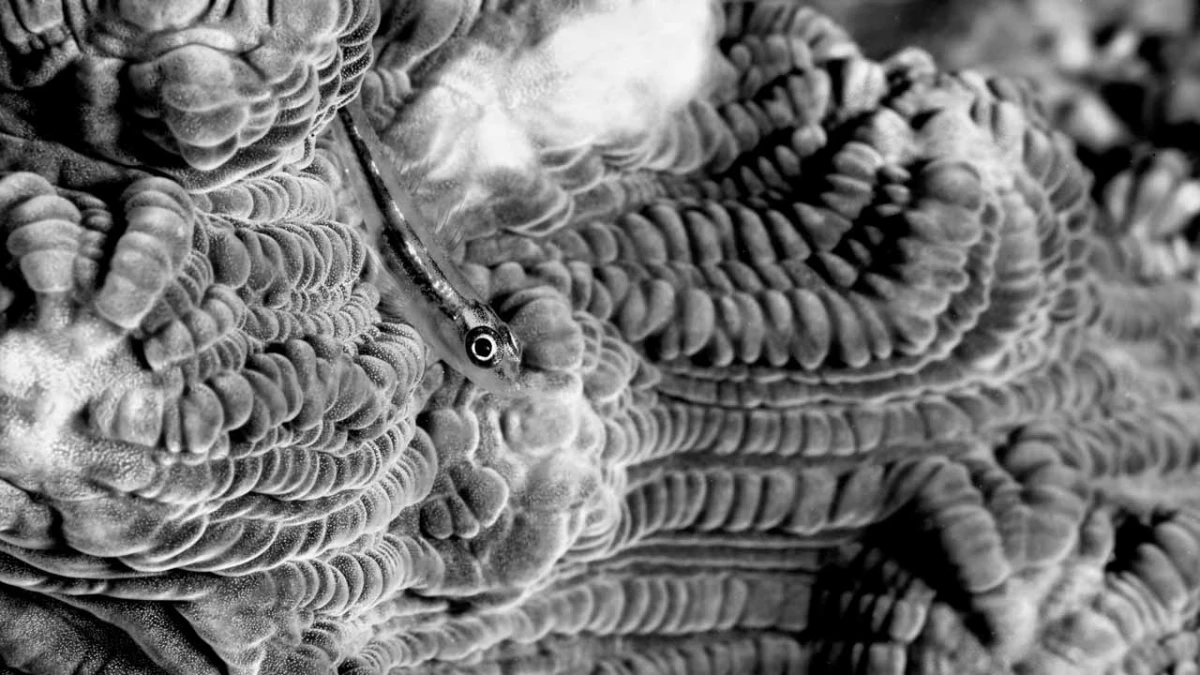
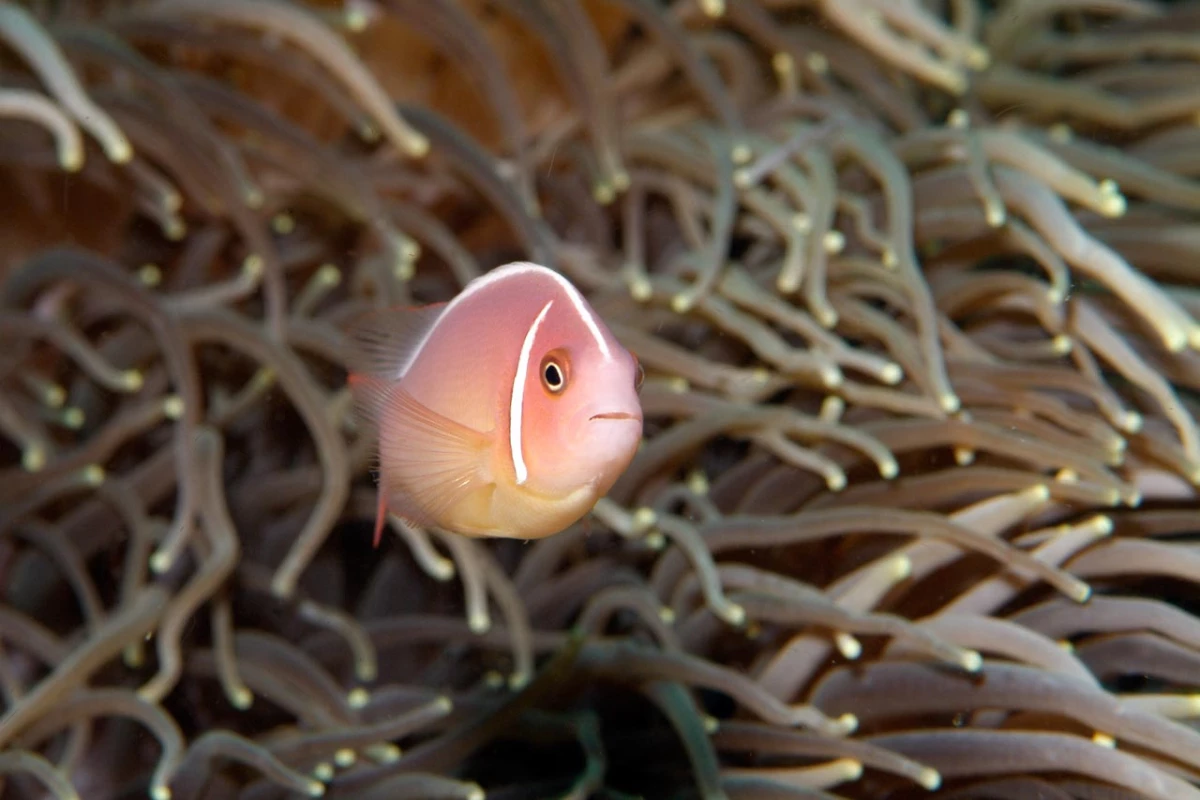
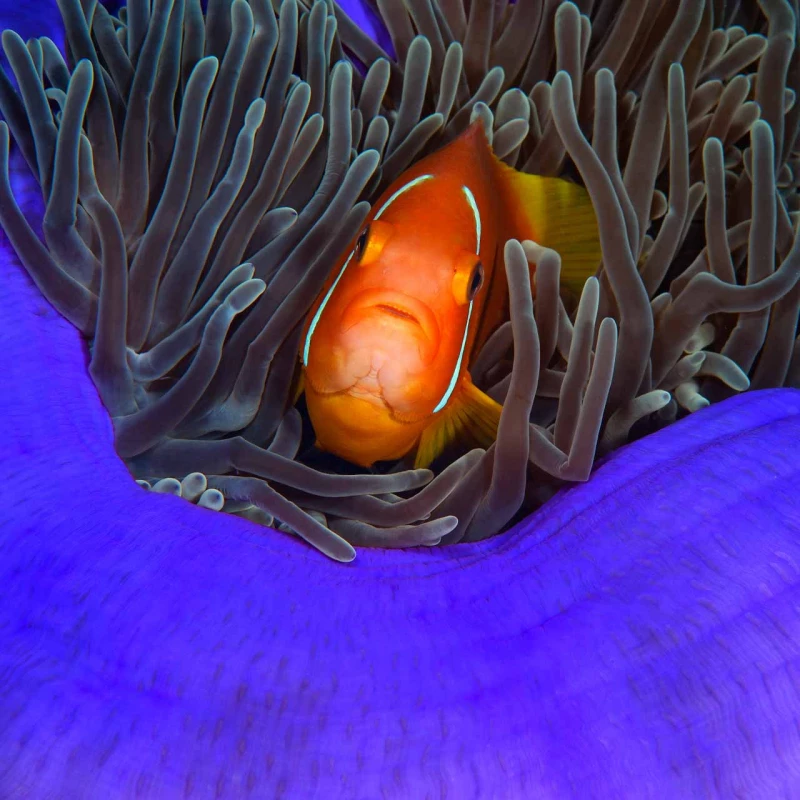
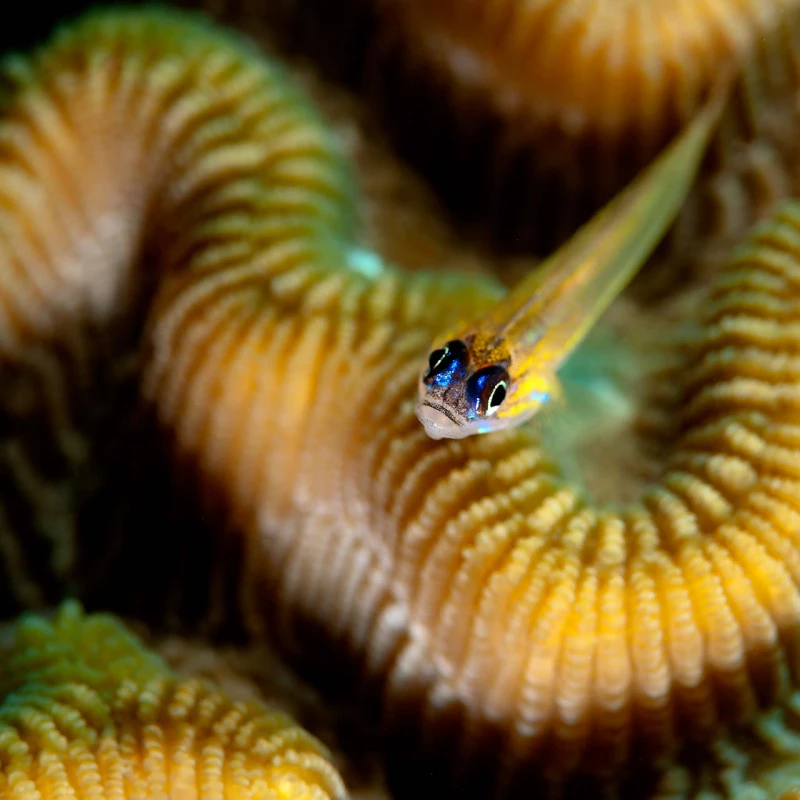
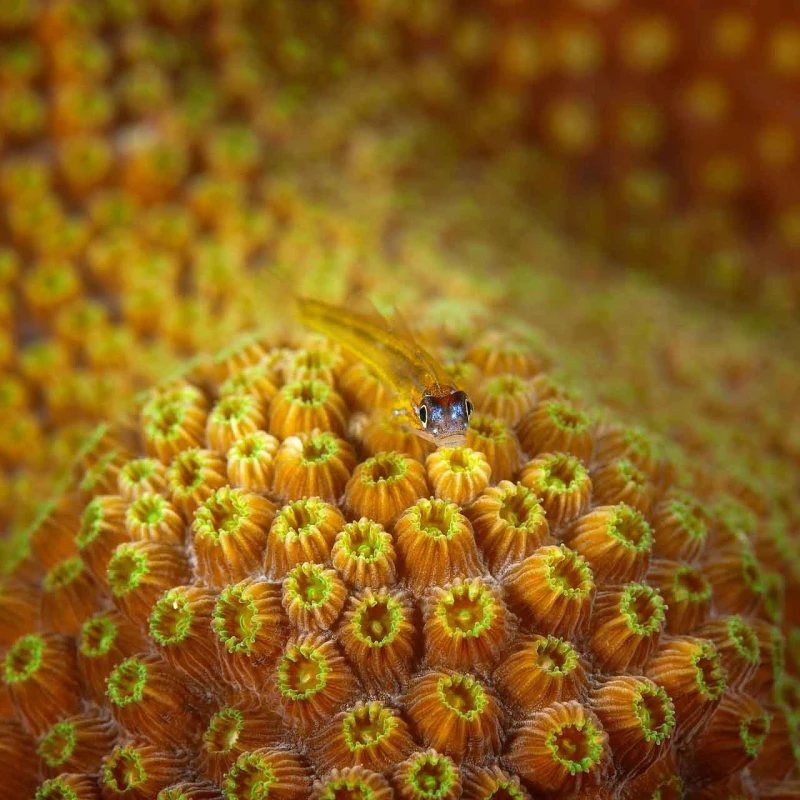
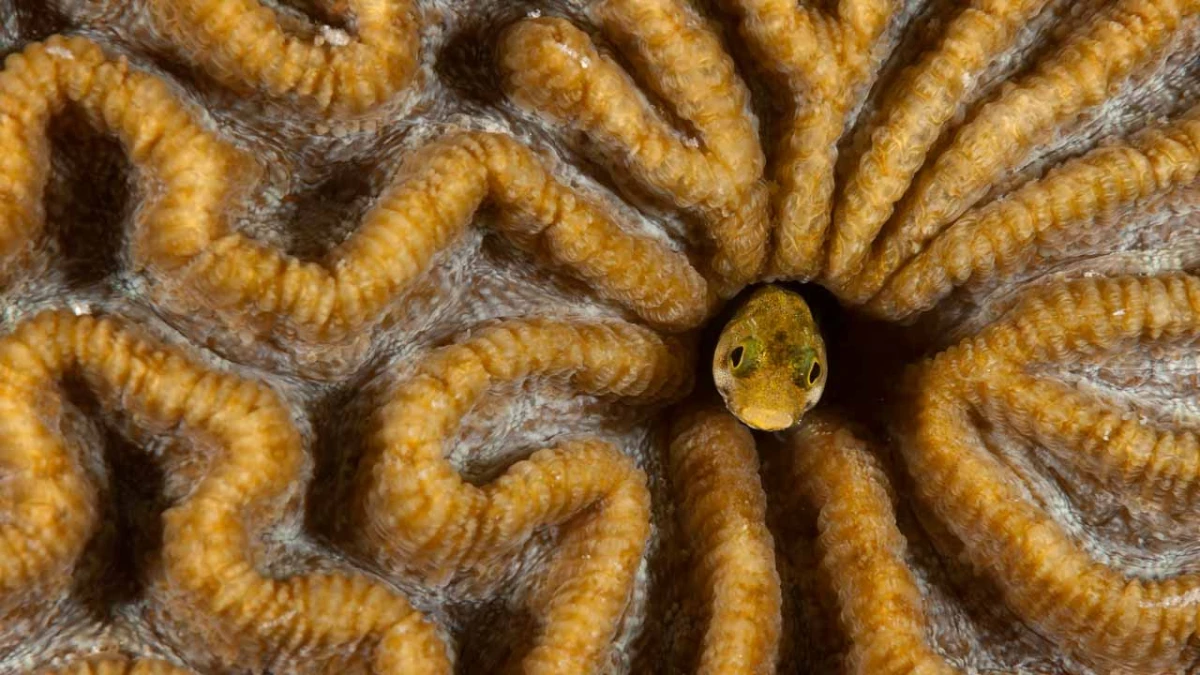
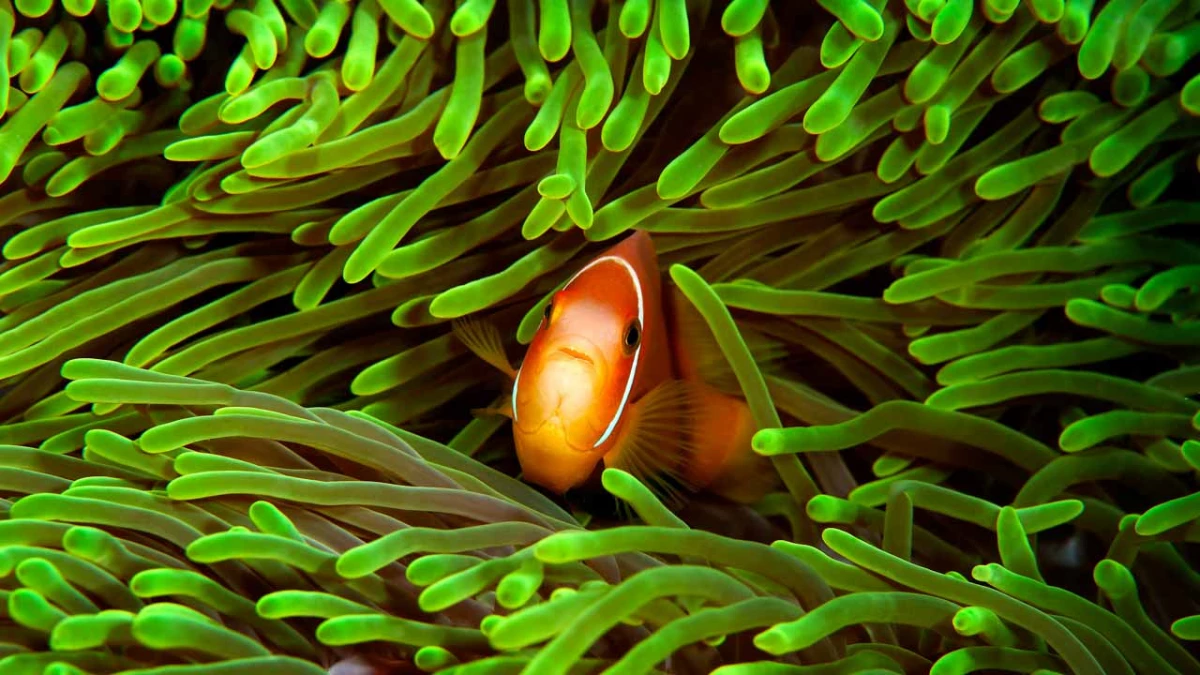
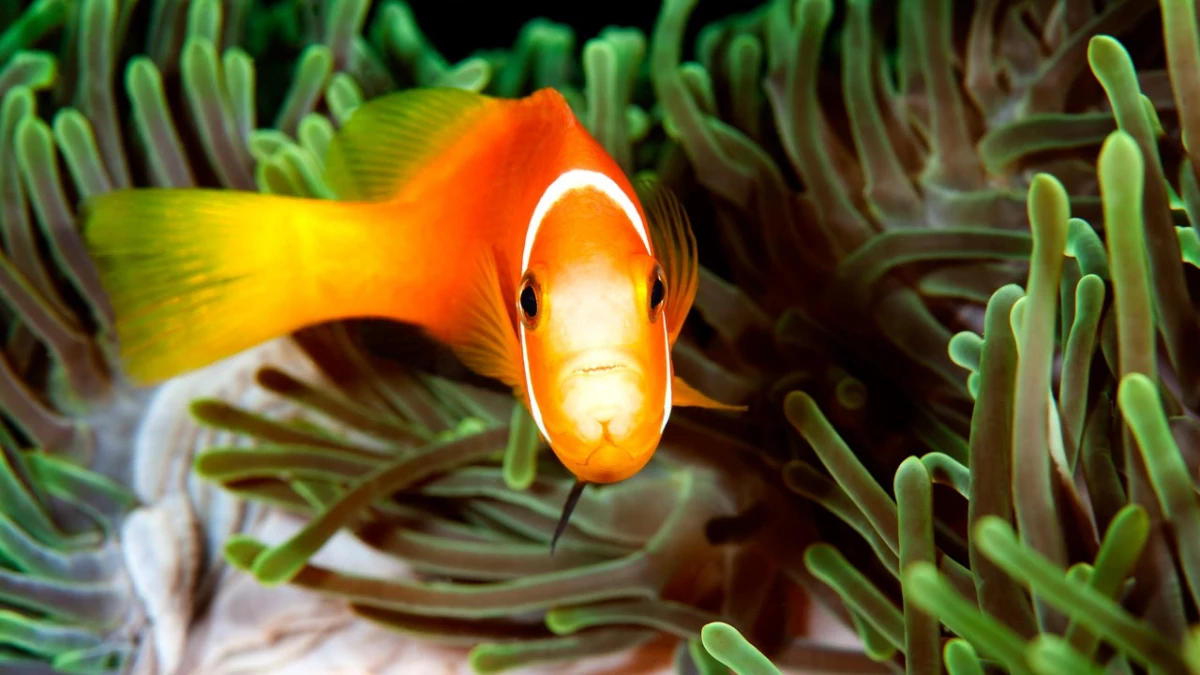
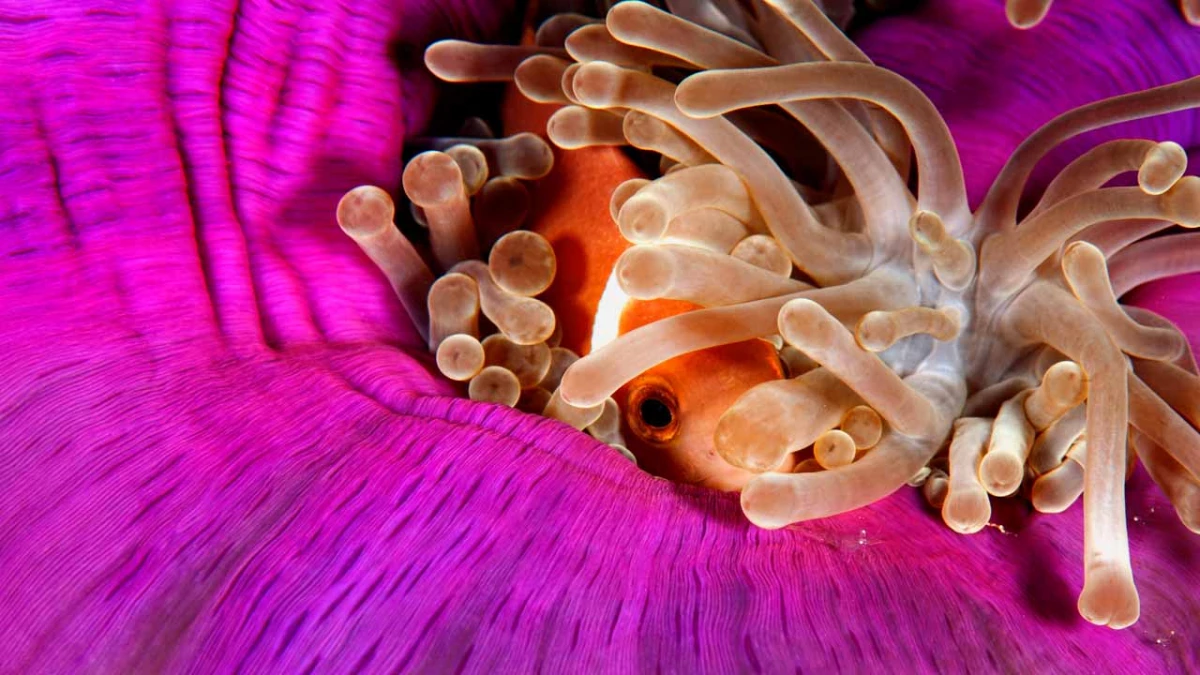
Some Examples of Looks of Underwater Animals

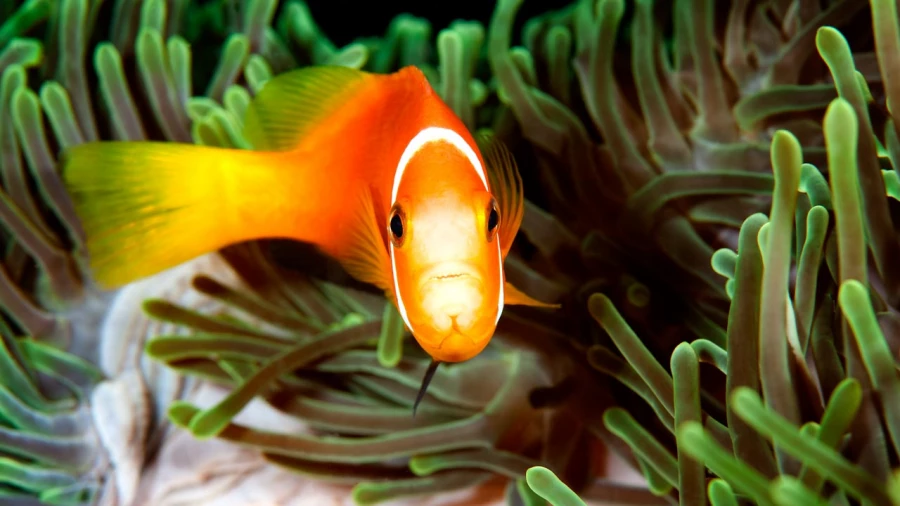
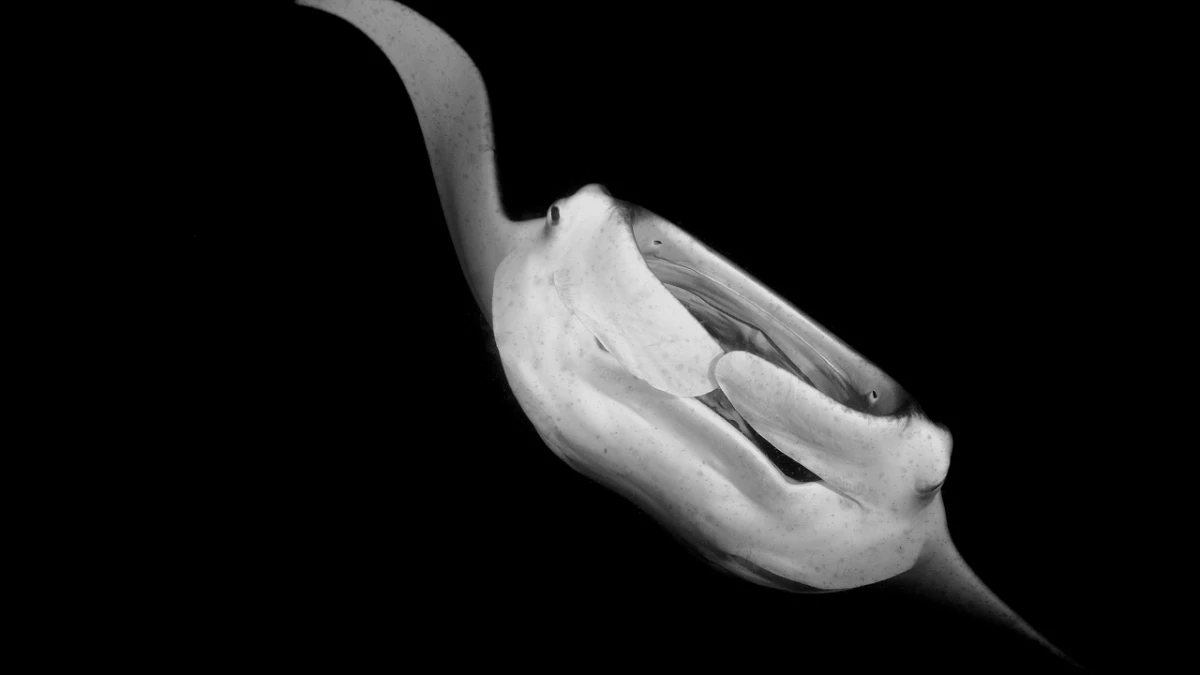
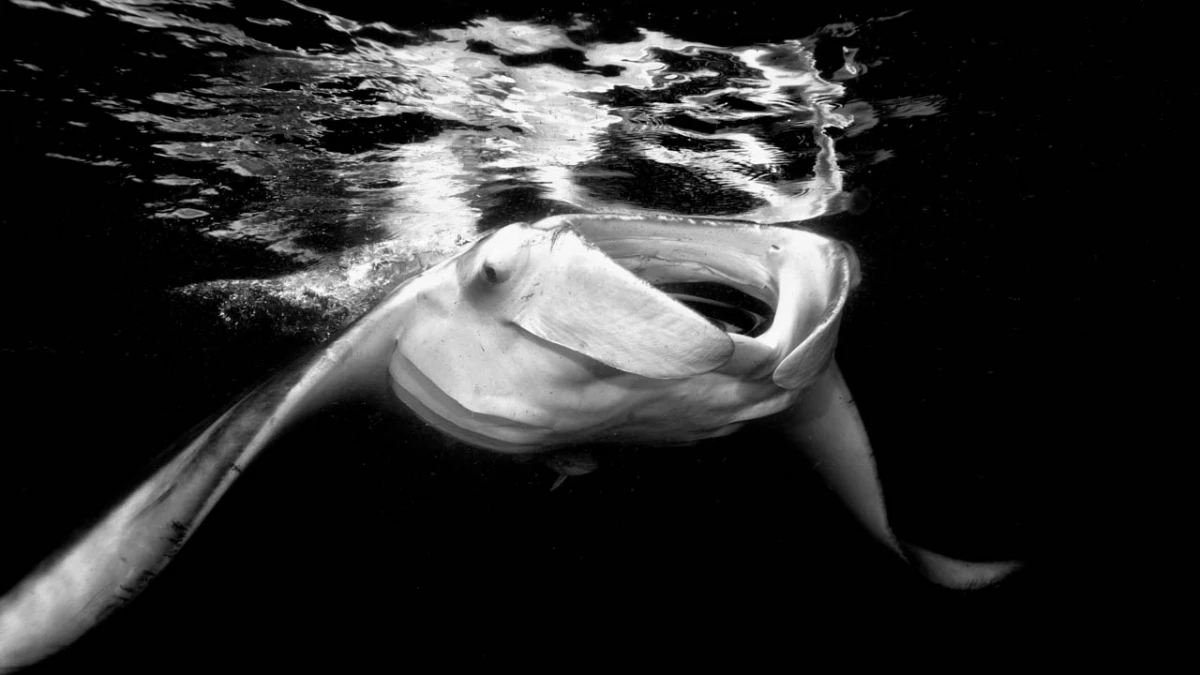
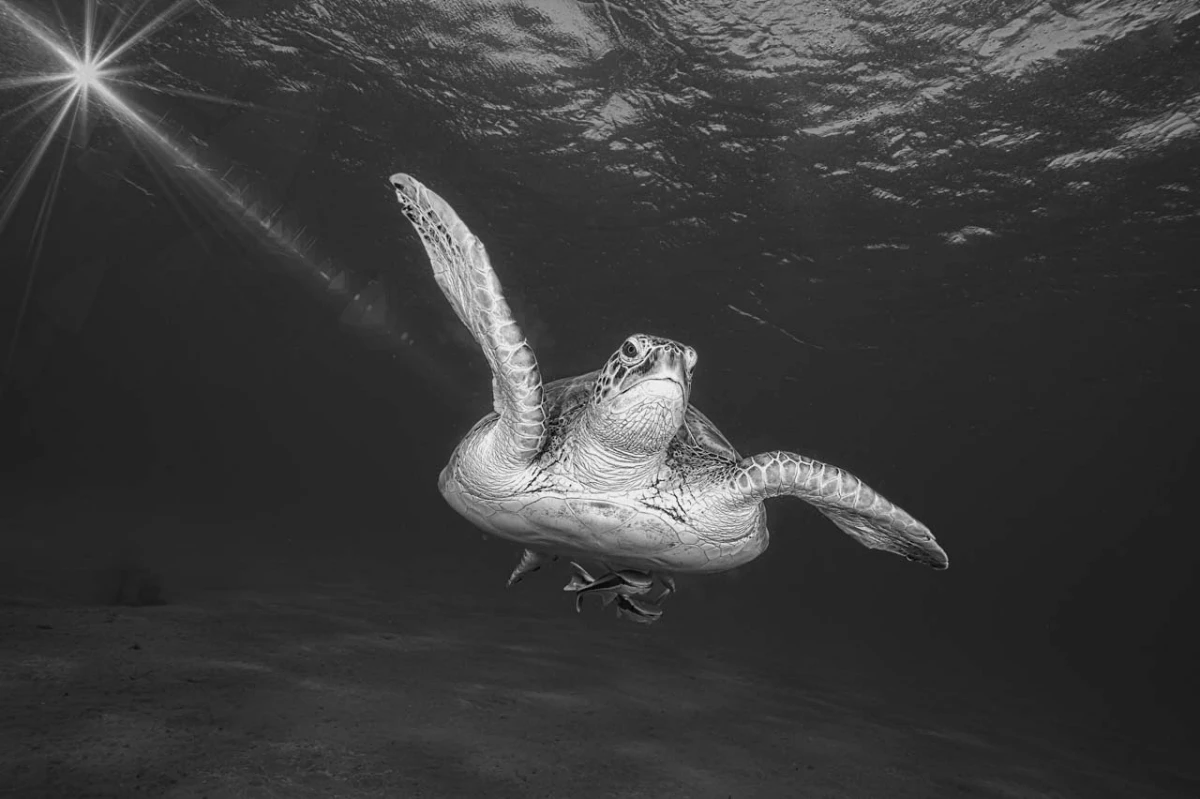
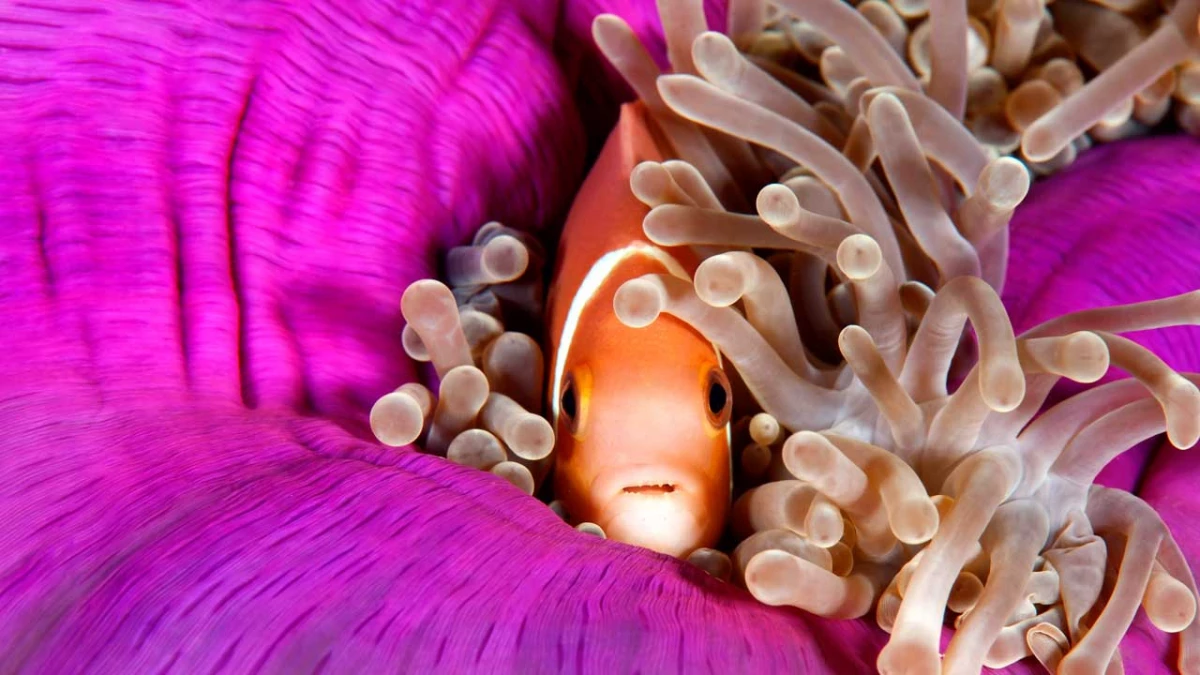
  • Fish look by Amar Guillen, photographer artist.
    Fish look by Amar Guillen, photographer artist.
    Fish look by Amar Guillen, photographer artist.
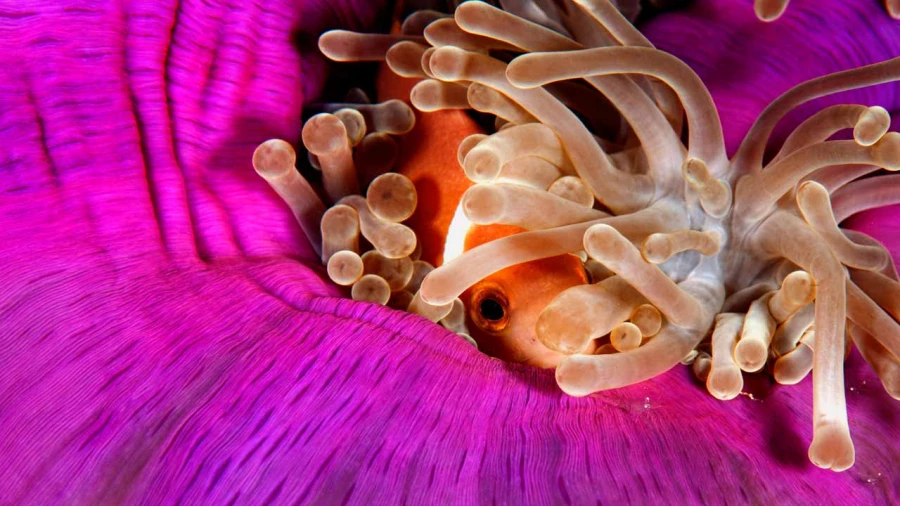
  • Fish look by Amar Guillen, photographer artist.
    Fish look by Amar Guillen, photographer artist.
    Fish look by Amar Guillen, photographer artist.
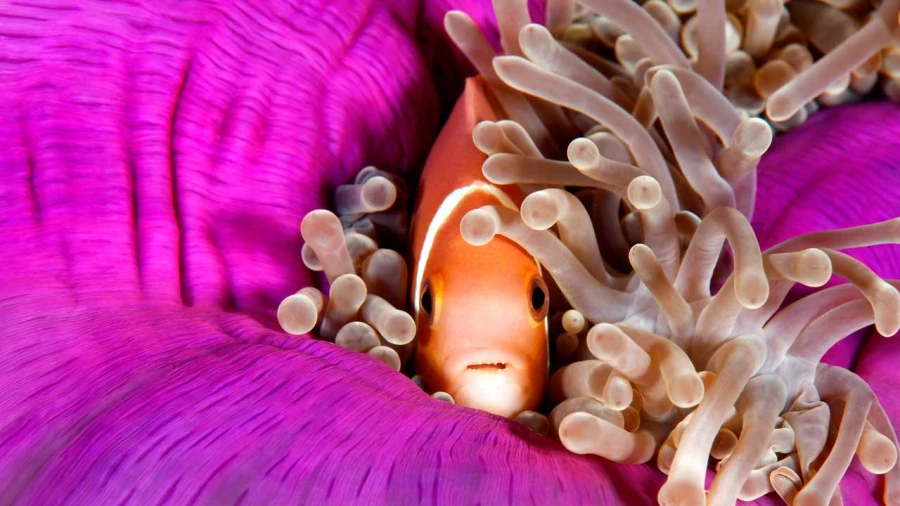
  • Fish look by Amar Guillen, photographer artist.
    Fish look by Amar Guillen, photographer artist.
    Fish look by Amar Guillen, photographer artist.
  • Fish look by Amar Guillen, photographer artist.
    Fish look by Amar Guillen, photographer artist.
    Fish look by Amar Guillen, photographer artist.
  • Fish look by Amar Guillen, photographer artist.
    Fish look by Amar Guillen, photographer artist.
    Fish look by Amar Guillen, photographer artist.
  • Fish look by Amar Guillen, photographer artist.
    Fish look by Amar Guillen, photographer artist.
    Fish look by Amar Guillen, photographer artist.
  • Fish look by Amar Guillen, photographer artist.
    Fish look by Amar Guillen, photographer artist.
    Fish look by Amar Guillen, photographer artist.
  • Fish look by Amar Guillen, photographer artist.
    Fish look by Amar Guillen, photographer artist.
    Fish look by Amar Guillen, photographer artist.
  • Fish look by Amar Guillen, photographer artist.
    Fish look by Amar Guillen, photographer artist.
    Fish look by Amar Guillen, photographer artist.
  • Fish look by Amar Guillen, photographer artist.
    Fish look by Amar Guillen, photographer artist.
    Fish look by Amar Guillen, photographer artist.
  • Fish look by Amar Guillen, photographer artist.
    Fish look by Amar Guillen, photographer artist.
    Fish look by Amar Guillen, photographer artist.
  • Fish look by Amar Guillen, photographer artist.
    Fish look by Amar Guillen, photographer artist.
    Fish look by Amar Guillen, photographer artist.
  • Fish look by Amar Guillen, photographer artist.
    Fish look by Amar Guillen, photographer artist.
    Fish look by Amar Guillen, photographer artist.
  • Fish look by Amar Guillen, photographer artist.
    Fish look by Amar Guillen, photographer artist.
    Fish look by Amar Guillen, photographer artist.
  • Fish look by Amar Guillen, photographer artist.
    Fish look by Amar Guillen, photographer artist.
    Fish look by Amar Guillen, photographer artist.
  • Fish look by Amar Guillen, photographer artist.
    Fish look by Amar Guillen, photographer artist.
    Fish look by Amar Guillen, photographer artist.
  • Fish look by Amar Guillen, photographer artist.
    Fish look by Amar Guillen, photographer artist.
    Fish look by Amar Guillen, photographer artist.
  • Fish look by Amar Guillen, photographer artist.
    Fish look by Amar Guillen, photographer artist.
    Fish look by Amar Guillen, photographer artist.
  • Fish look by Amar Guillen, photographer artist.
    Fish look by Amar Guillen, photographer artist.
    Fish look by Amar Guillen, photographer artist.
  • Fish look by Amar Guillen, photographer artist.
    Fish look by Amar Guillen, photographer artist.
    Fish look by Amar Guillen, photographer artist.
  • Fish look by Amar Guillen, photographer artist.
    Fish look by Amar Guillen, photographer artist.
    Fish look by Amar Guillen, photographer artist.
  • Fish look by Amar Guillen, photographer artist.
    Fish look by Amar Guillen, photographer artist.
    Fish look by Amar Guillen, photographer artist.
Fish look by Amar Guillen, photographer artist.
    • Fish look by Amar Guillen, photographer artist.
    • Fish look by Amar Guillen, photographer artist.
    • Fish look by Amar Guillen, photographer artist.
    • Fish look by Amar Guillen, photographer artist.
    • Fish look by Amar Guillen, photographer artist.
    • Fish look by Amar Guillen, photographer artist.
    • Fish look by Amar Guillen, photographer artist.
    • Fish look by Amar Guillen, photographer artist.
    • Fish look by Amar Guillen, photographer artist.
    • Fish look by Amar Guillen, photographer artist.
    • Fish look by Amar Guillen, photographer artist.
    • Fish look by Amar Guillen, photographer artist.
    • Fish look by Amar Guillen, photographer artist.
    • Fish look by Amar Guillen, photographer artist.
    • Fish look by Amar Guillen, photographer artist.
    • Fish look by Amar Guillen, photographer artist.
    • Fish look by Amar Guillen, photographer artist.
    • Fish look by Amar Guillen, photographer artist.
    • Fish look by Amar Guillen, photographer artist.
    • Fish look by Amar Guillen, photographer artist.
    • Fish look by Amar Guillen, photographer artist.
    • Fish look by Amar Guillen, photographer artist.

    One or Two Eyes: Everything Depends on the Scene

    Must you show one or both eyes of an animal? This is a question to which I have no definitive answer. It all depends on the scene and the message you want to convey.

    For an off-camera photograph, seeing only one eye is perfectly justified. You will follow the line of gaze that is directed line. It is this virtual line that guides the photo.

    If the animal is facing you, it is essential to have both eyes to create the connection immediately.

    Tight or Large Plan

    There is no absolute rule for choosing the plan. It is above all a question of style and personal approach.

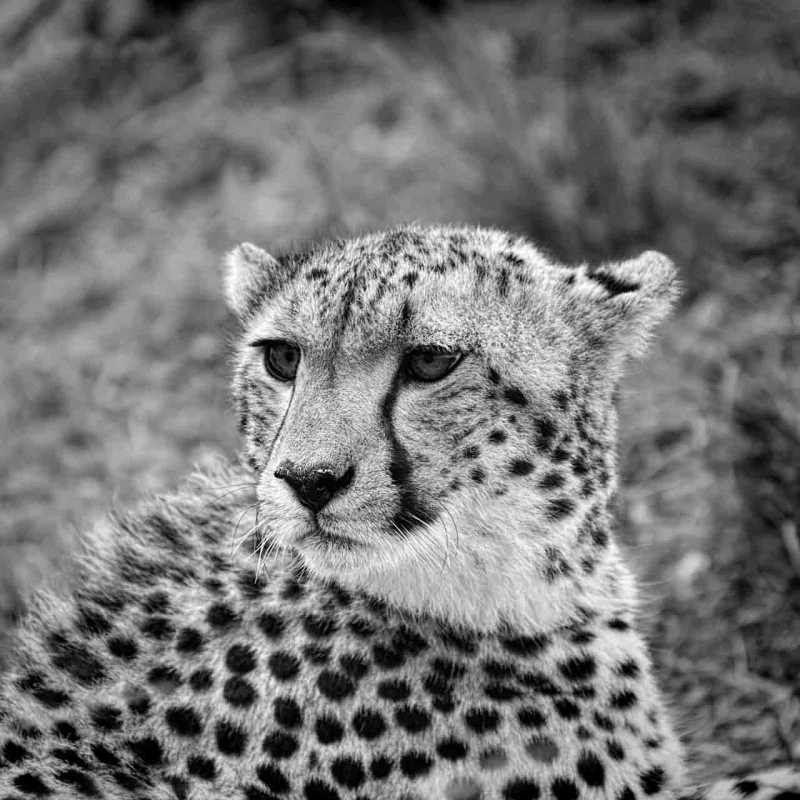
    I rarely photograph tight shots because I really like to breathe in the pictures. I like freedom, movement, wind, space. The tight shots enclose me and compel me a lot. I created collections on African felines in tight plan, but it was mostly because of the environment that was not adequate.

    If you choose a tight shot, place your eyes in the middle of the photo to ensure a perfect balance of masses. The animal must be well centered.

    Whether in underwater or terrestrial photography, for mammals or birds, I prefer wide shots because they allow me to highlight the attitude of the animal and enhance the message transmitted in the photo.

    Everything will depend on what you want to transmit and create through your photography.

    Natural Light or Flash

    The use of flash is a necessity in underwater photography. It allows you to easily create the catchlight in the eye and revive the colors of your subjects.

    In terrestrial photography, the use of flash is interesting in the case of the photo of passerines. By using a Fresnel system in front of the flash, you can easily create the spot of light in the eye. The birds are often distant, and the catchlight is difficult to capture. By adding an artificial light that will bring to 50 or 60 meters (150 to 180 feet) with the Fresnel system, it is the guarantee to obtain a photo that will have impact.

    Some Examples of Looks of Birds

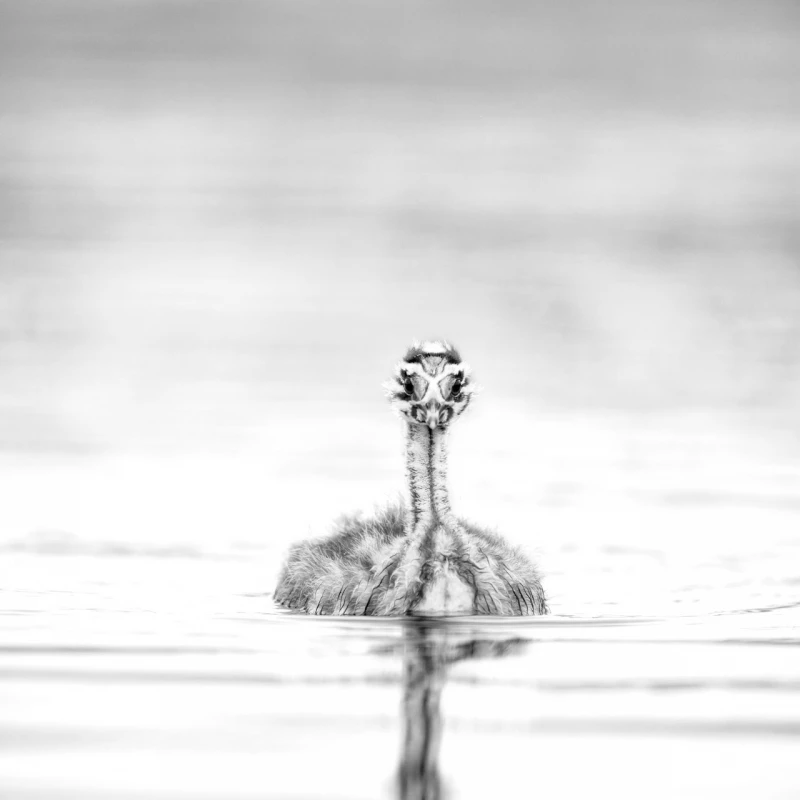
    • Birds look by Amar Guillen, photographer artist.
      Birds look by Amar Guillen, photographer artist.
      Birds look by Amar Guillen, photographer artist.
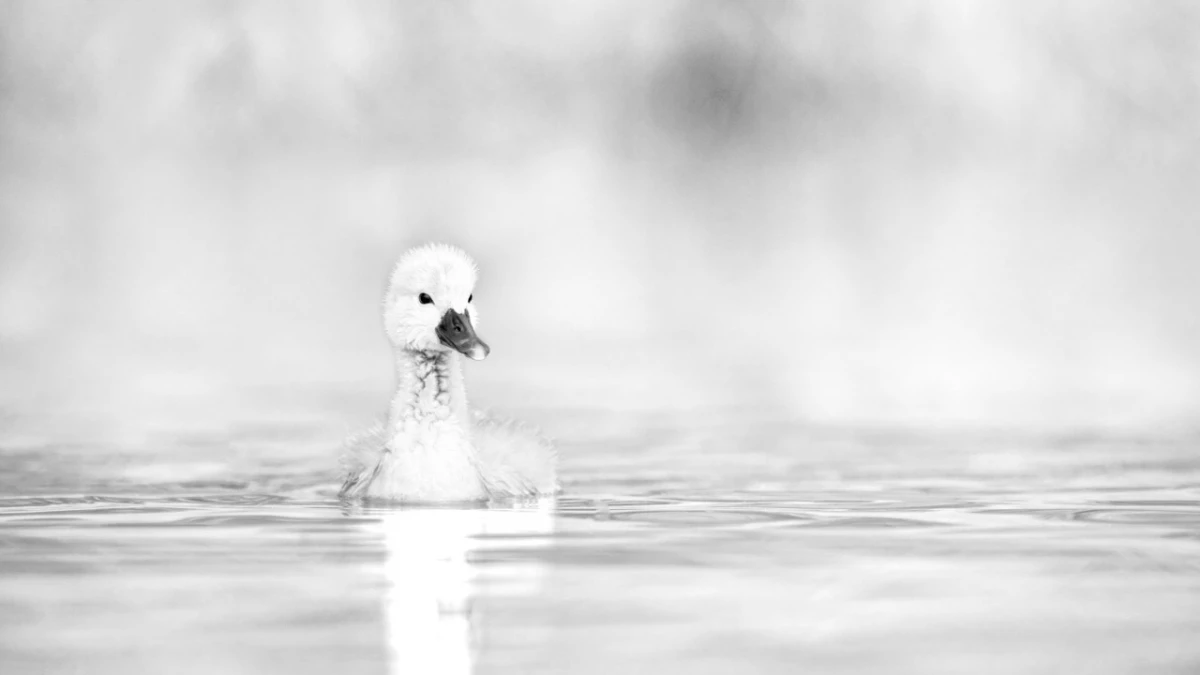
    • Birds look by Amar Guillen, photographer artist.
      Birds look by Amar Guillen, photographer artist.
      Birds look by Amar Guillen, photographer artist.
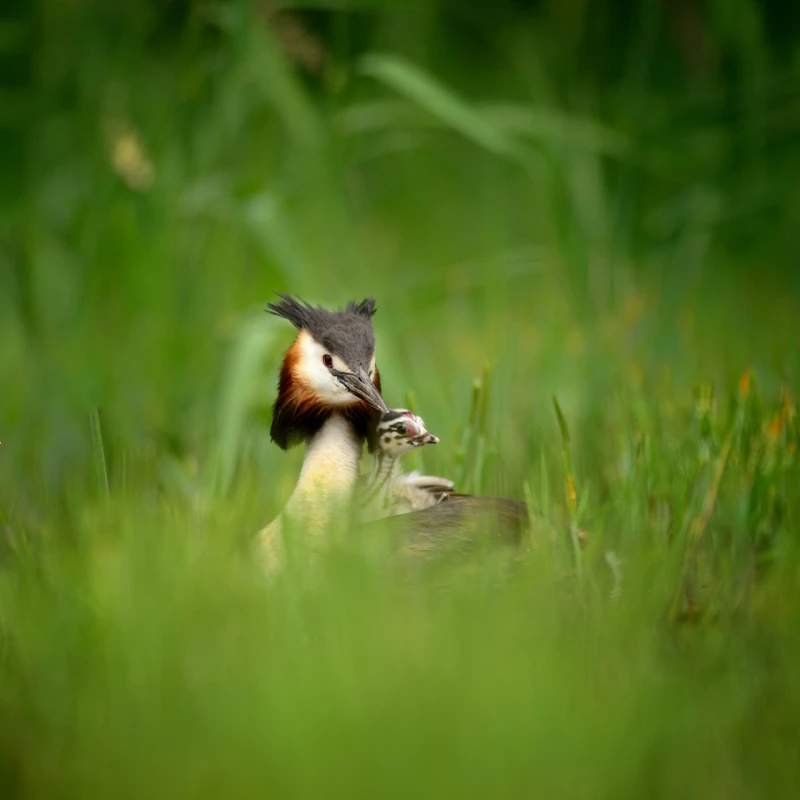
    • Birds look by Amar Guillen, photographer artist.
      Birds look by Amar Guillen, photographer artist.
      Birds look by Amar Guillen, photographer artist.
    • Birds look by Amar Guillen, photographer artist.
      Birds look by Amar Guillen, photographer artist.
      Birds look by Amar Guillen, photographer artist.
    • Birds look by Amar Guillen, photographer artist.
      Birds look by Amar Guillen, photographer artist.
      Birds look by Amar Guillen, photographer artist.
    • Birds look by Amar Guillen, photographer artist.
      Birds look by Amar Guillen, photographer artist.
      Birds look by Amar Guillen, photographer artist.
    • Birds look by Amar Guillen, photographer artist.
      Birds look by Amar Guillen, photographer artist.
      Birds look by Amar Guillen, photographer artist.
    • Birds look by Amar Guillen, photographer artist.
      Birds look by Amar Guillen, photographer artist.
      Birds look by Amar Guillen, photographer artist.
    Birds look by Amar Guillen, photographer artist.
    Birds look by Amar Guillen, photographer artist.
    Birds look by Amar Guillen, photographer artist.
    Birds look by Amar Guillen, photographer artist.
    Birds look by Amar Guillen, photographer artist.
    Birds look by Amar Guillen, photographer artist.
    Birds look by Amar Guillen, photographer artist.
    Birds look by Amar Guillen, photographer artist.
      • Birds look by Amar Guillen, photographer artist.
      • Birds look by Amar Guillen, photographer artist.
      • Birds look by Amar Guillen, photographer artist.
      • Birds look by Amar Guillen, photographer artist.
      • Birds look by Amar Guillen, photographer artist.
      • Birds look by Amar Guillen, photographer artist.
      • Birds look by Amar Guillen, photographer artist.
      • Birds look by Amar Guillen, photographer artist.

      Finally

      Photographing the eyes of animals is an extraordinary technique for making interesting animal photos because it allows the viewer to create a link directly with the main subject of your shot.

      There is no miracle solution, no magic formula to succeed in creating inspiring photos because you do not have control over the position of the animal and the light.

      You have to experiment again and again. By developing your own style and technique you will apply some of these points.

      Be humble, patient, constant, persevering, and persistent because the road to excellence is long.

      How Photographing the Expression of a Wild Animal

      Do you want to create interesting wildlife photographs that impact your viewers?

      Focusing on the expression terrestrial or aquatic animals is one of the techniques that I use.

      In this article, I'm going to explain a few techniques that I use to create photos that have an impact on viewers.

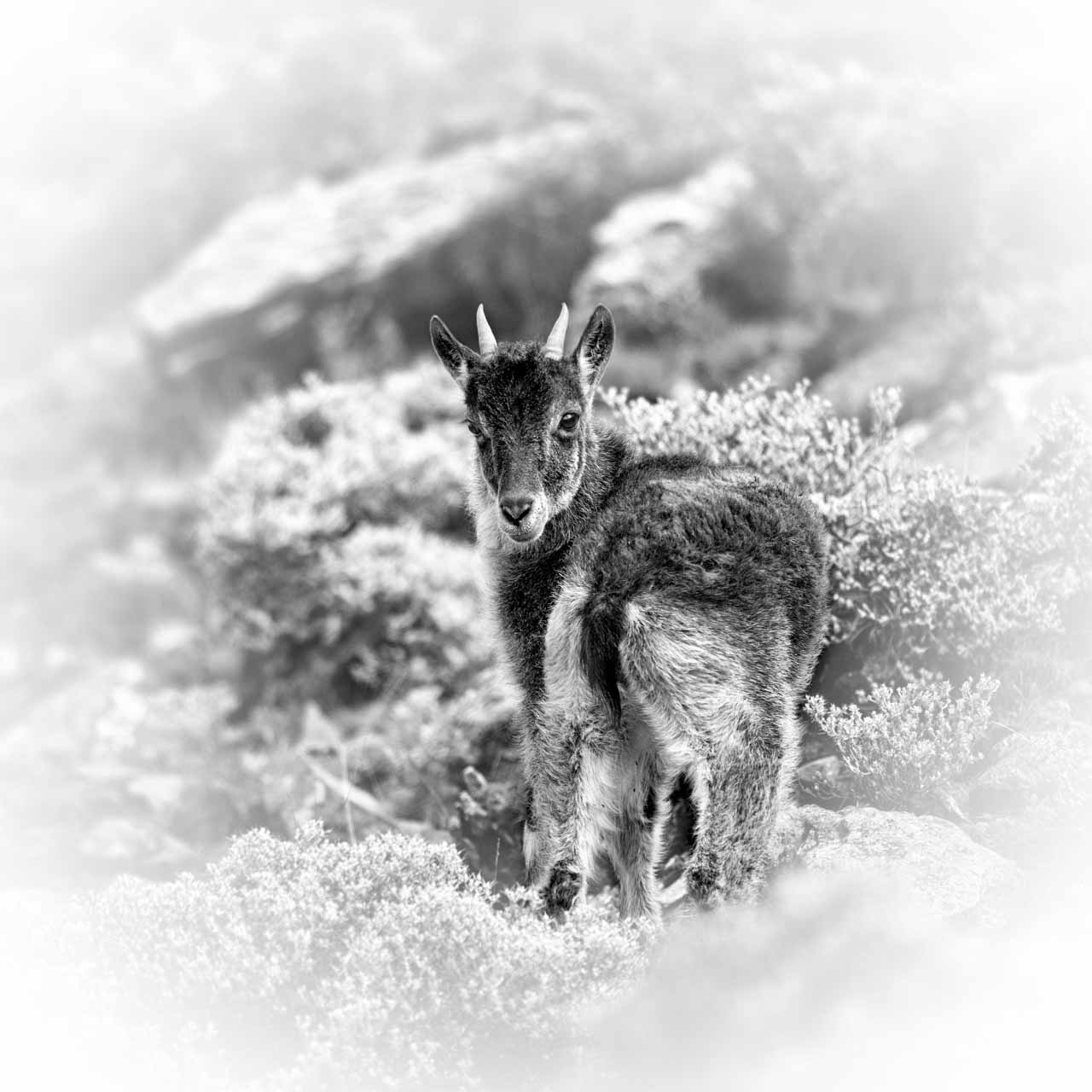
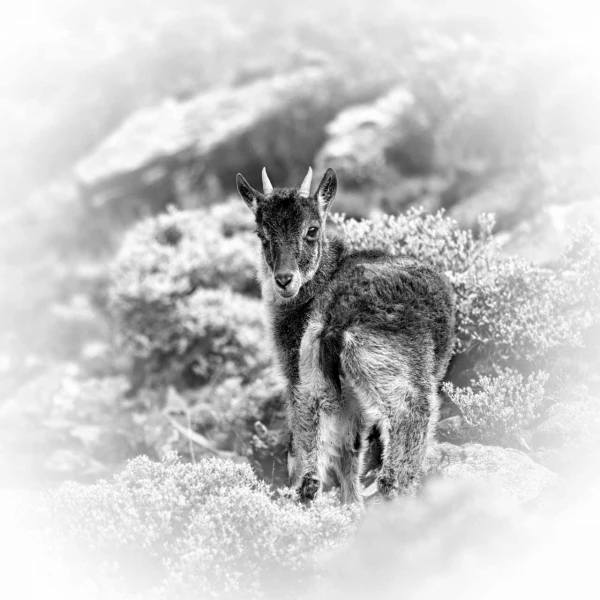
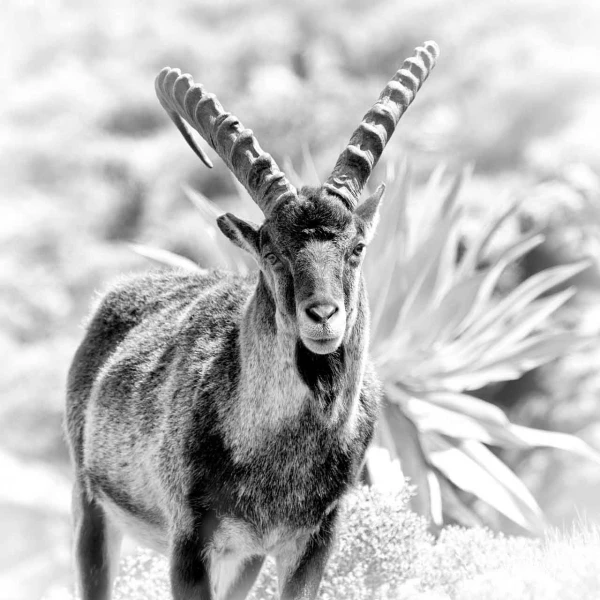
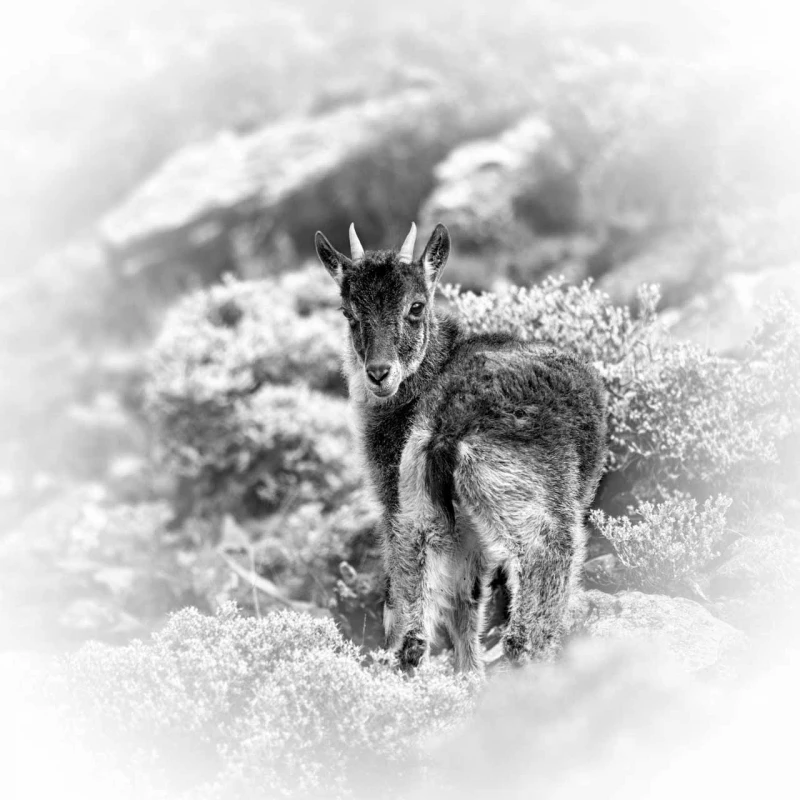
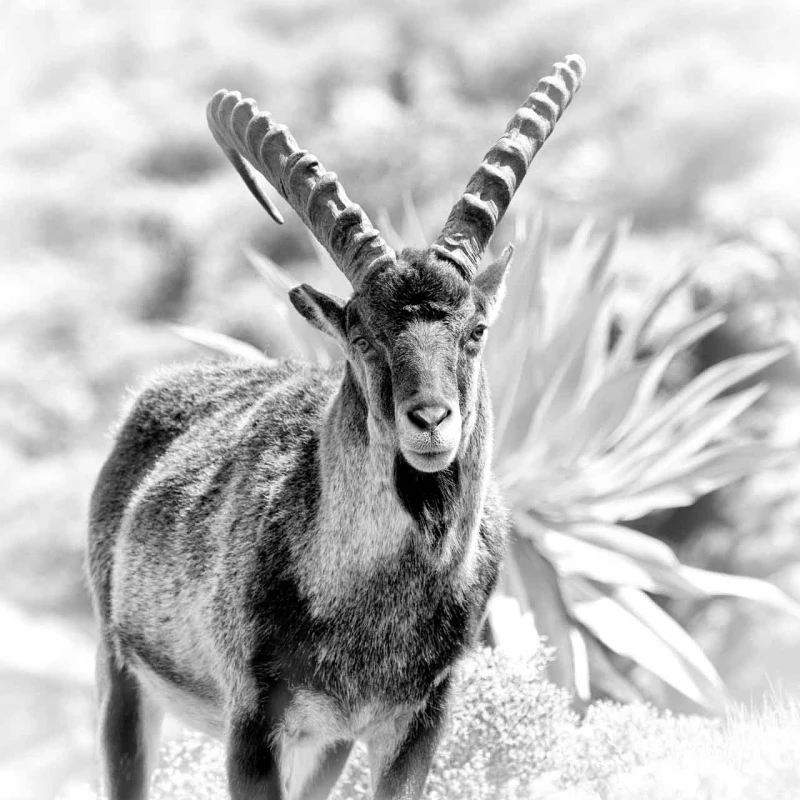
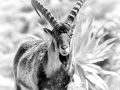
      The look of this young ibex with the catchlight in the eye is very evocative.
      The look of this young ibex with the catchlight in the eye is very evocative.

      Table of Contents

        Page 1

      • Foreword
      • The Eyes Reflect the Soul
      • A Big Moment of Loneliness: My Personal Experience
      • Analyzing the Animals' Eyes
      • The Strength of the Animal’s Gaze: A Focus Point as an Anchor
      • Controlling the Line of Sight
      • Some Examples of Mammal Looks
      • Page 2

      • Breaking the Rule of Thirds
      • Photographing at Eye Level
      • Focus on the Eyes
      • Show the Catchlight in the Eye
      • Some Examples of Looks of Underwater Animals
      • One or Two Eyes: Everything Depends on the Scene
      • Tight or Large Plan
      • Natural Light or Flash
      • Some Examples of Looks of Birds
      • Finally

      Foreword

      All the points I am going to discuss are not a set of rules, rather they are guidelines and suggestions which have formed as a result of many years of photography and especially of experience in the creation of photos that interest my art collectors or my buyers of beautiful art prints.

      Our suggestions have many benefits, even if they are not exactly replicated by the photographer. You may not agree with certain points stated. I understand this perfectly, and I do not intend to hold the absolute truth.

      The Eyes Reflect the Soul

      It is often said that human eyes are the mirror of the soul. I think that this is generally true for the animal world whether the photos are taken on land or in water.

      The eyes convey the expression of an animal, which communicates emotion more deeply than the animal’s attitude through actions.

      With time, I learned how to better understand the expression of animals. I believe that animals convey feelings very differently than humans. Animals communicate on a more primal level. However, it is still possible to decipher curiosity, anger, fear or even tenderness.
      It may seem exaggerated, but, when you have the chance to encounter deer or birds, you must understand the animal world through a perspective of emotion. I cannot count the times I've seen the eyes of a doe who is gazing at her fawn with tenderness. That gaze is no mistake.

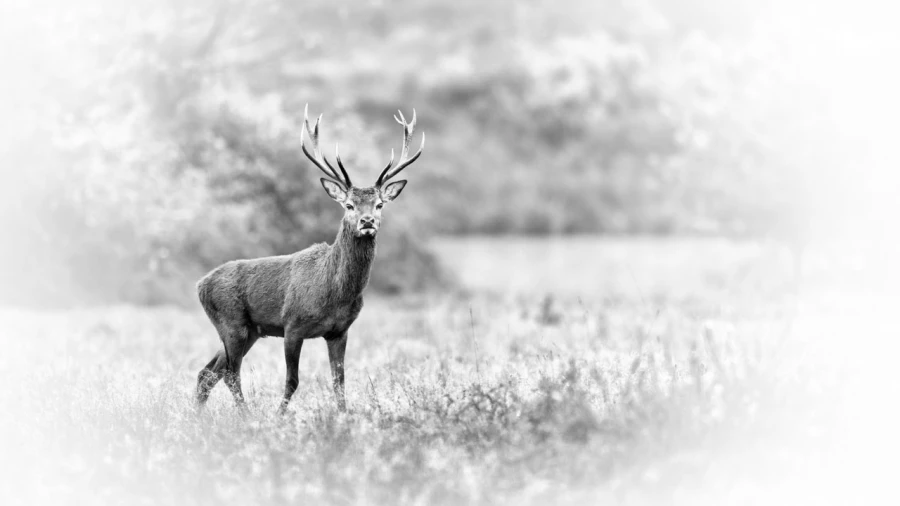
      The eyes of a red deer stag when he discovers your presence hidden a few meters away from him, often translates into an astonishing disbelief that gives way to curiosity and ends with fear, because he beliefs you to be a hunter.

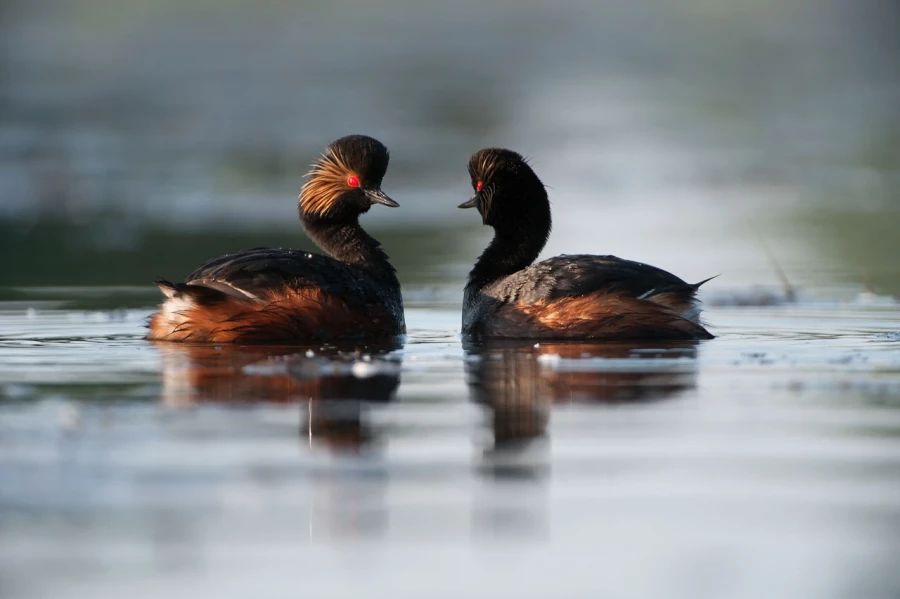
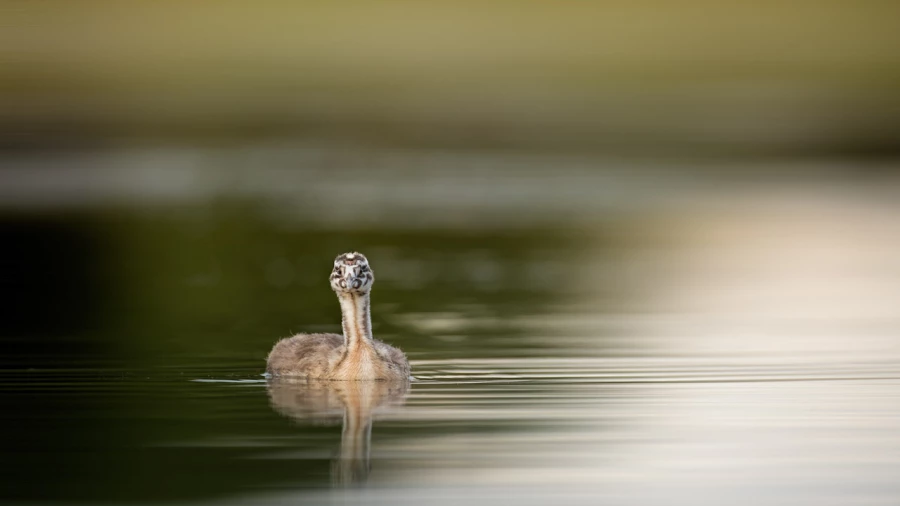
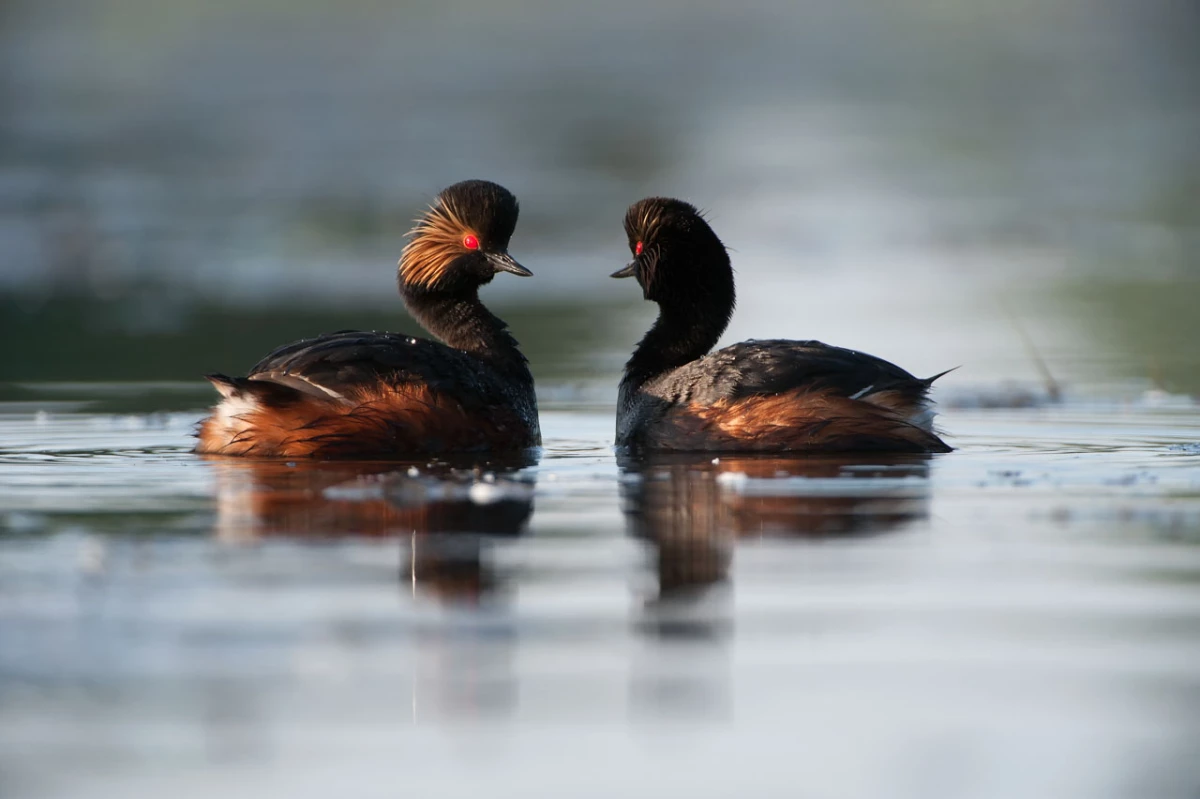
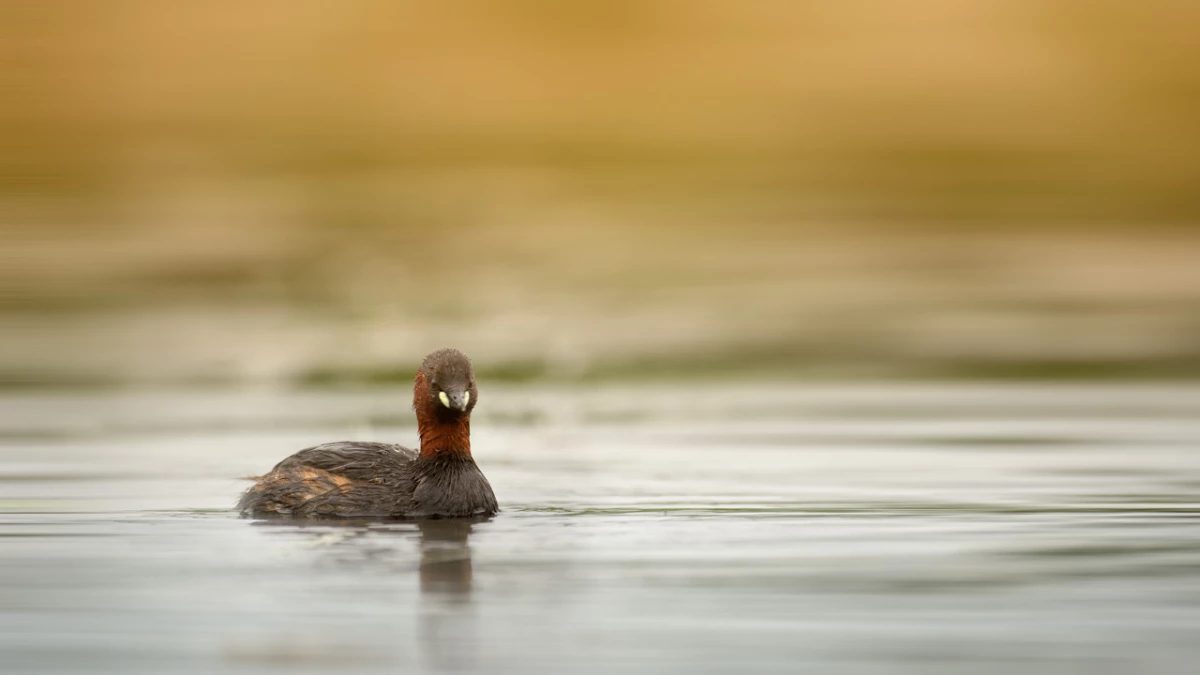
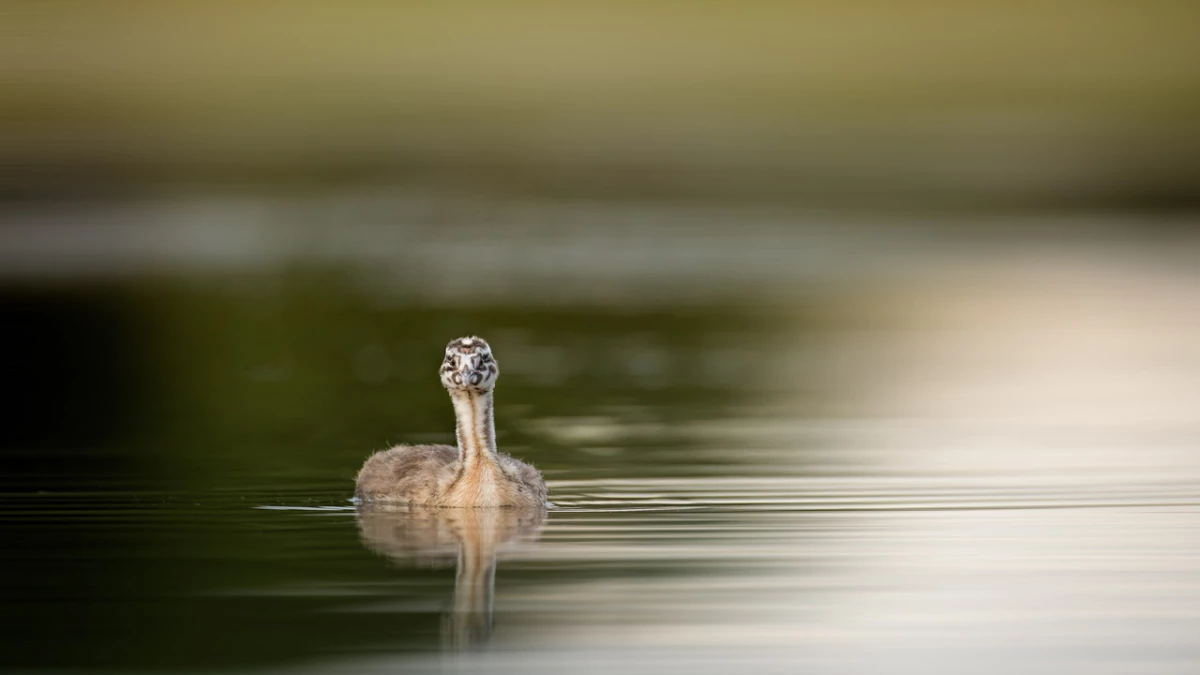
      If you have had the chance to photograph from a floating blind, you can observe the look of a grebe that is capable of carrying its offspring on its back to conserve the little ones’ energy. Like all parents, he wants the little ones to leave the house, but he also wants to protect them. I assure you that we see these parental feelings through our viewfinder.

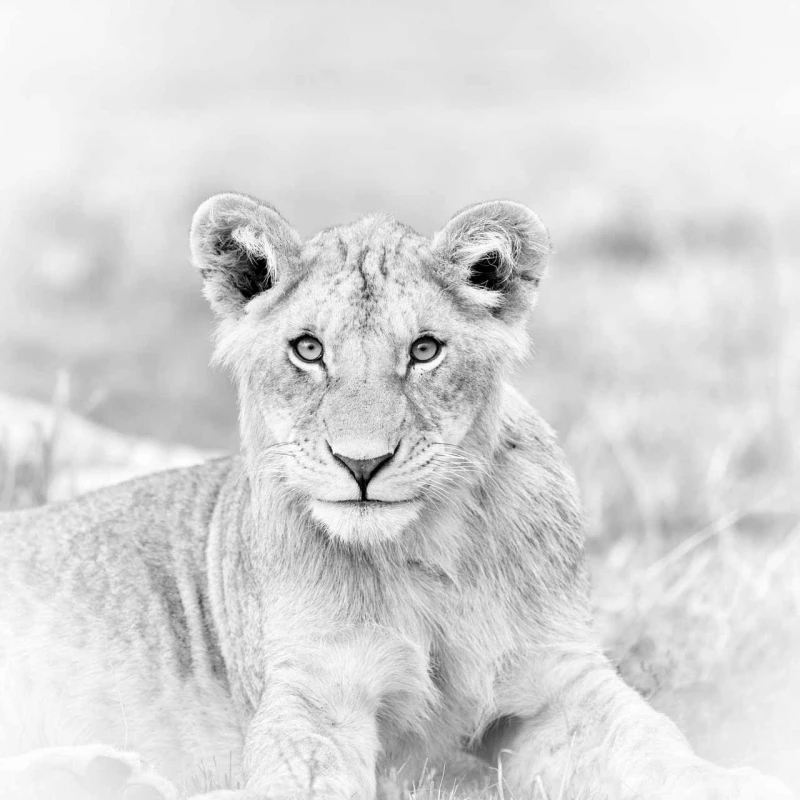
      Similarly, the majestic gaze of a cat looking across the great African plains says a lot about his state of mind.

      I believe that it is important to always observe and understand the gaze of an animal before taking a photograph because the animal’s expression is captured in the image. I often wait for the right moment. It takes countless hours spent on the field to acquire the ability to pinpoint the perfect moment to shoot.

      Analyzing the look of an animal also allows me to calculate if I can take a good photo.

      A Big Moment of Loneliness: My Personal Experience

      Recently, I experienced a moment of great loneliness which left me speechless.

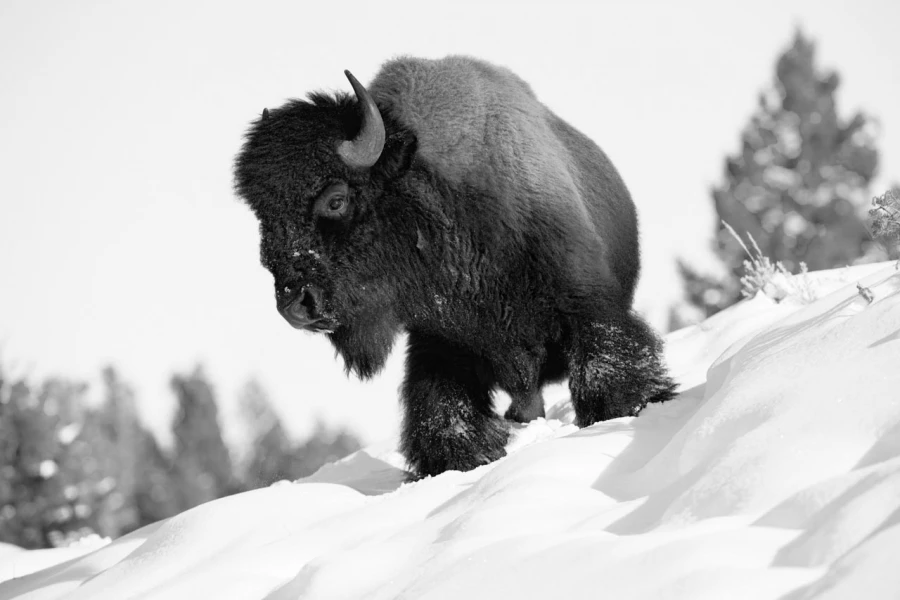
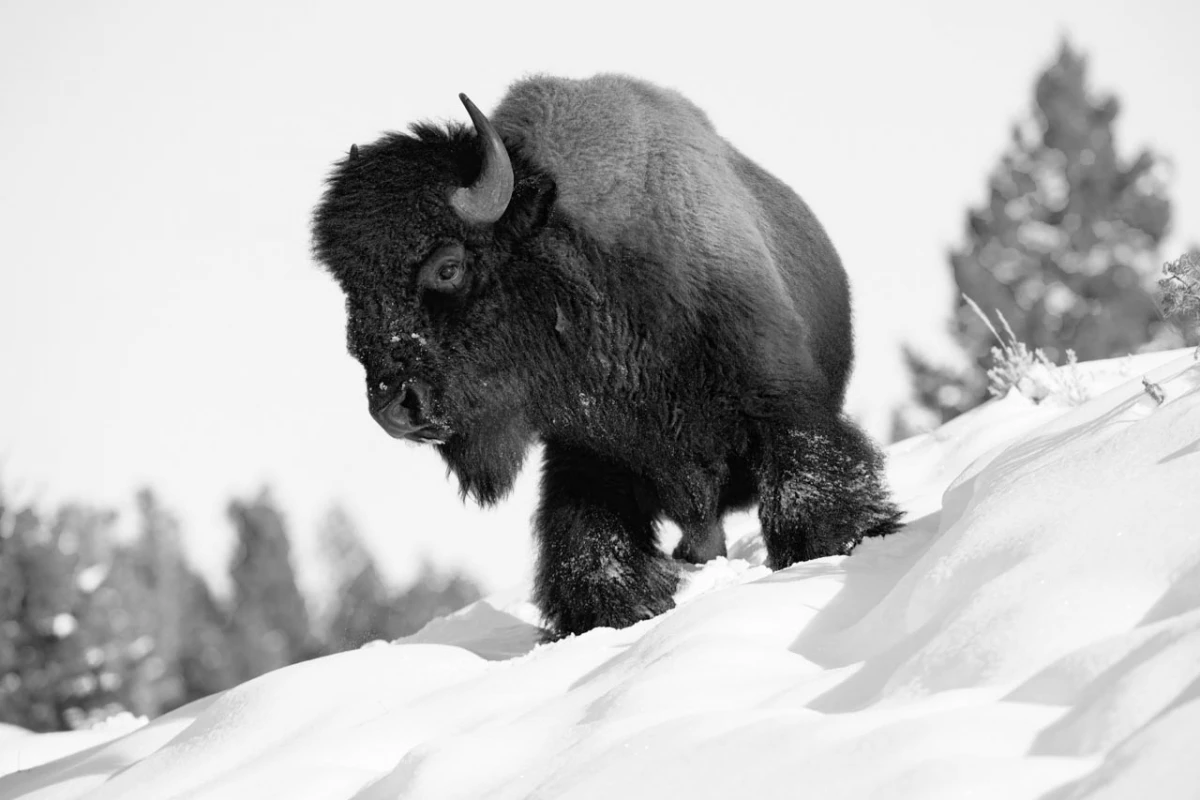
      I took a trip to the Yellowstone in the United States to create a collection of artistic photographs of the bison in the snow. At one point, I found myself in a snowy plain with a group of 20 bison standing and facing me from 100 meters (300 feet) away. Before installing my tripod, I analyzed the group with my binoculars. Despite the wind and snow, I watched the bison stare me down. It was absolutely eloquent. Their eyes told me clearly that I was not welcome in their territory, that I was a foreigner. Body language confirmed what I read in their gazes. I left without further ado and retraced my steps.

      I often analyze the eyes of animals before triggering my camera because one second can project a great depth of emotion onto a photograph. I analyze animals differently than humans:
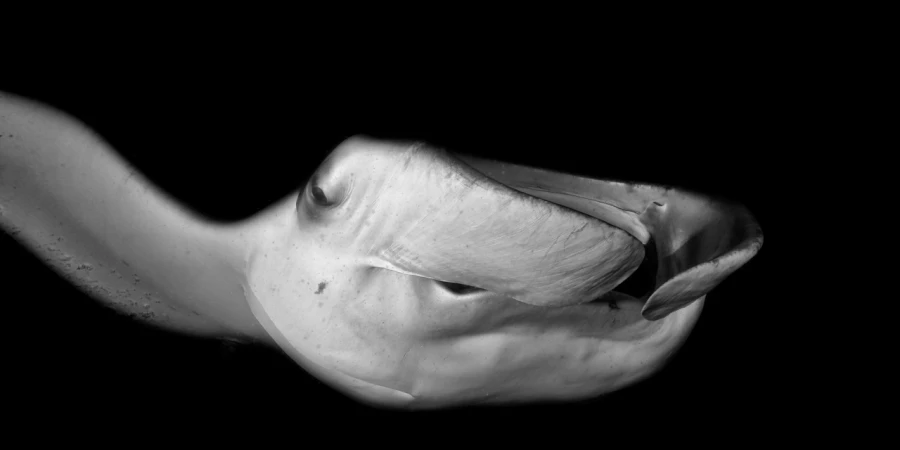
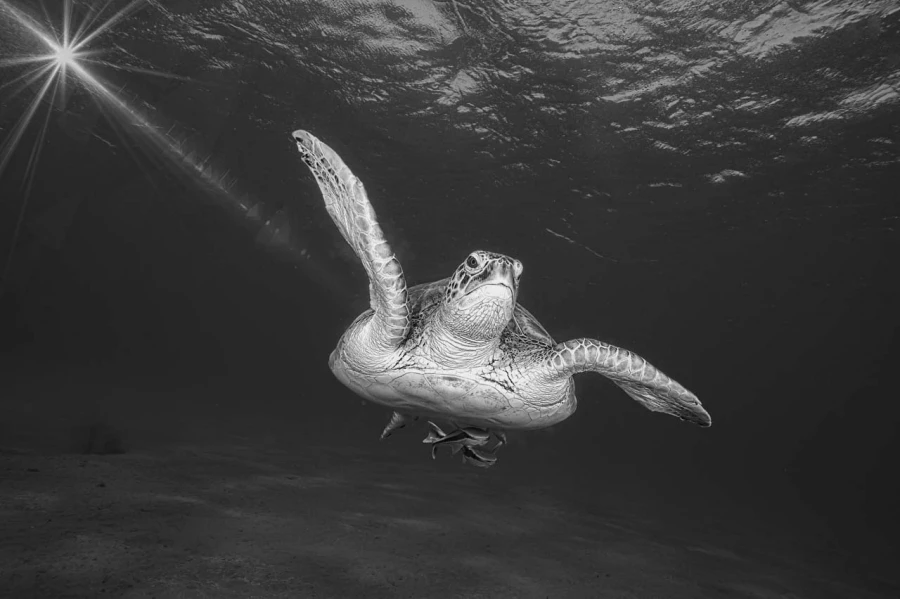
      • When the eyes of a mammal fold a little, it is the translation of happiness and relaxation. In this case, the animal is content. I often observe this in deer or in fallow deer.
      • When a mammal's eyes are wide open, it is attracted to something or to you. In this case, it is essential to analyze body language to see if this attraction is curiosity or fear.
      • When a mammal’s eyes start to bow, it means that the animal is angry. If I observe this type of look in a boar, I remove myself from his danger zone. If I stay, he may charge at me.

      The number of expressions in an animal’s gaze is limited. It can be difficult to detect emotion, but I truly think that their eyes communicate authentic emotions that do not lie.

      Analyzing the Animals' Eyes

      You must analyze the look of the animals before you turn on your device because it says a lot. Here are some tips that are similar to those you certainly use with humans:
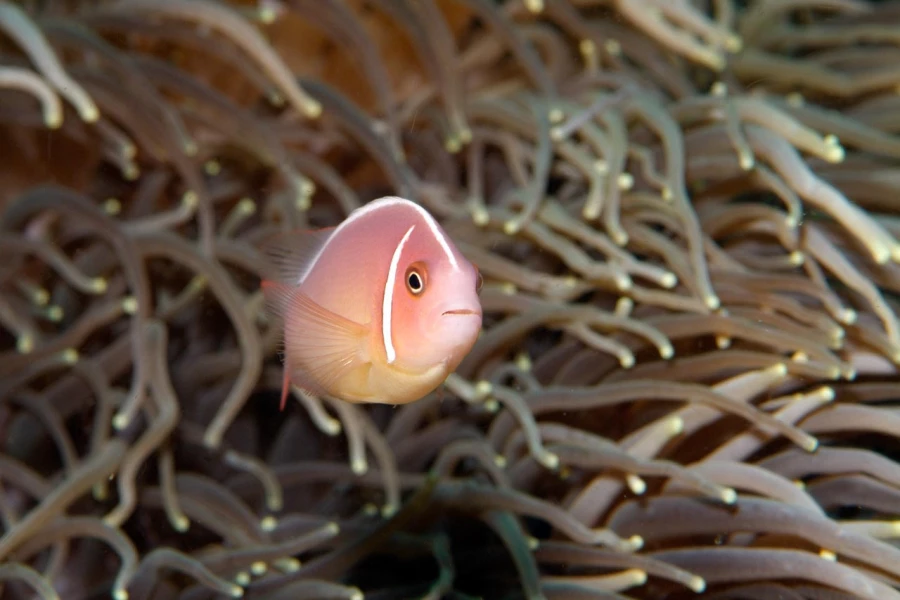
      • When a mammal's eyes wrinkle a little, it is the translation of happiness, of relaxation. In this case, the animal feels particularly well. You will observe these looks in deer or fallow deer.
      • When a mammal's eyes are wide open, it is because it is attracted to something or to you. In this case, it is absolutely necessary to analyze the body expression to know if it is curiosity or fear.
      • When a mammal's eyes begin to curve, it is because it is angry. If you see this type of look in a boar, for example, hurry to get out of its danger zone. If you stay, it may charge you.

      The number of gaze expressions is limited in animals or it is difficult to detect them, but I really think that their gazes communicate truths that do not cheat.
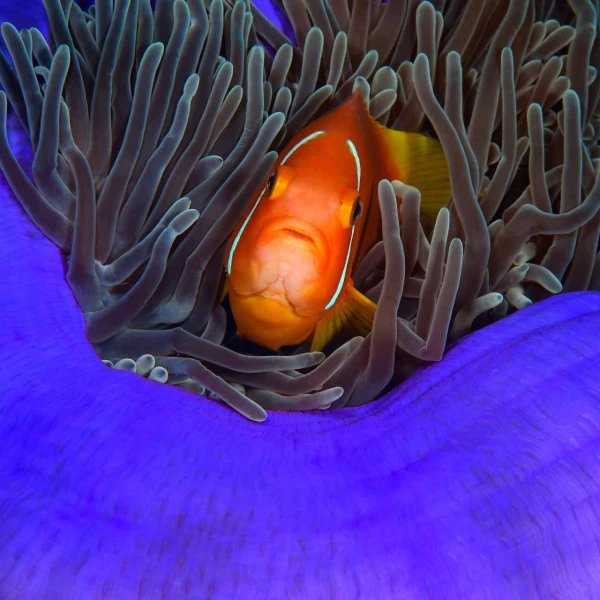
      The Strength of the Animal’s Gaze: A Focus Point as an Anchor

      For me, photographing an animal is the best way to capture the animal’s gaze. Over time, I learned that it was absolutely necessary to integrate the eye (s) in an animal into an artistic photograph to be interesting to a viewer or a client.

      During photo workshops, I often tell trainees that the animal’s eyes connect the viewer to the focus point.

      If the animal’s eyes are not captured clearly, the viewer cannot grasp the depth of the photo. I think that this is probably due to our education. Since our early childhood, we are trained at school, in public, and by looking at paintings or photos, that eyes carry strong expression. In magazines, the eyes of photographed human beings are apparent. I think that as soon as we look at a human being that is photographed or painted, we automatically look for the eyes.

      This is what I often refer to as the “anchor”. This focus point is what we naturally are drawn to first to better understand the meaning of the photo. This is a cultural behavior that we have acquired.

      Creating a wildlife photograph that has impact is very difficult. Many animal photographers are content with a specific attitude or just the animal in its natural environment. We look at this type of photography only once. We do not return because it lacks zeal for our eyes.

      In the world of illustrative photography for magazines or for identification books, the capture of the gaze is less fundamental because often it is the attitude or behavior that prevails such as a fight or a flight.
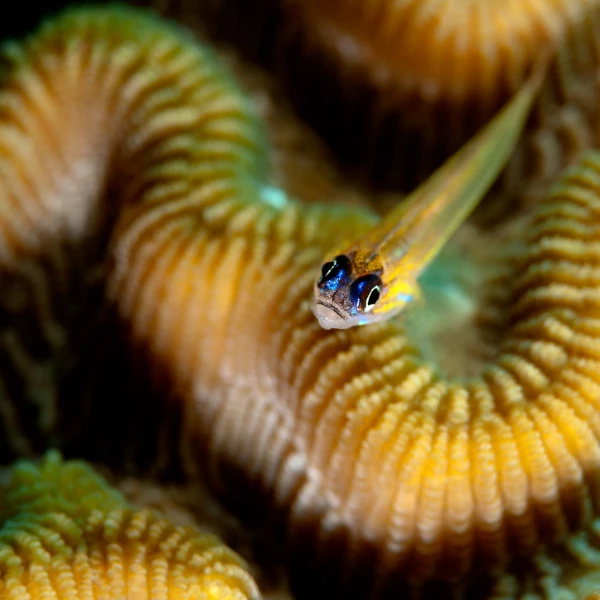
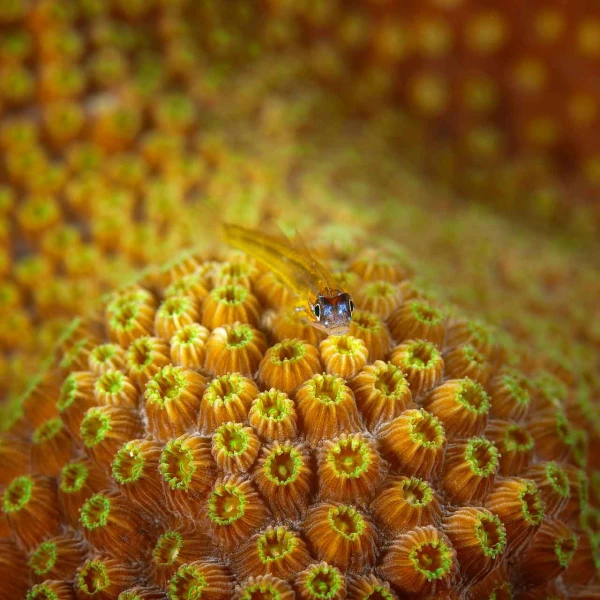
      When I create an artistic or meaningful animal photography, I always try to capture the animal's eyes. It is an essential condition for creating an interesting photograph.

      Controlling the Line of Sight

      In my opinion, it is necessary to master the concept of "the line of sight” to effectively create different and high-impact photos. The utilization of the line of sight allows you to create powerful photos.

      The line of sight is an imaginary line that begins in the eyes of the animal, regardless of whether it is underwater or terrestrial. This is an important guideline because this line will guide the viewer's gaze.

      Two cases may arise.

      The first case is that a line of sight is directed to the viewer. In this case, there is a very strong exchange between the main interest and the viewer. During this moment, the spectator begins to question himself. It is a strongly personal interaction because there is an exchange that happens as if outside of time.

      However, this technique of the line of direct gaze has a disadvantage. The interaction between the main interest and the viewer is so strong that nothing else exists. Décor, attitude, background matter little in this scenario. Often for this kind of photo, I choose a tight and square framing.
      The second case is that of the line of sight that directs the viewer to one direction within the photograph.
      • This line may rest on a particular point within the photograph. In this case, the photographer creates a second point of interest in the photo. Creating a connection of points between different interests of a photo fascinates the viewer.

        For example, this may occur in the look of a doe that is directed towards her fawn. The message sent by the maternal gaze of the doe is that of protection, peace, and comfort.

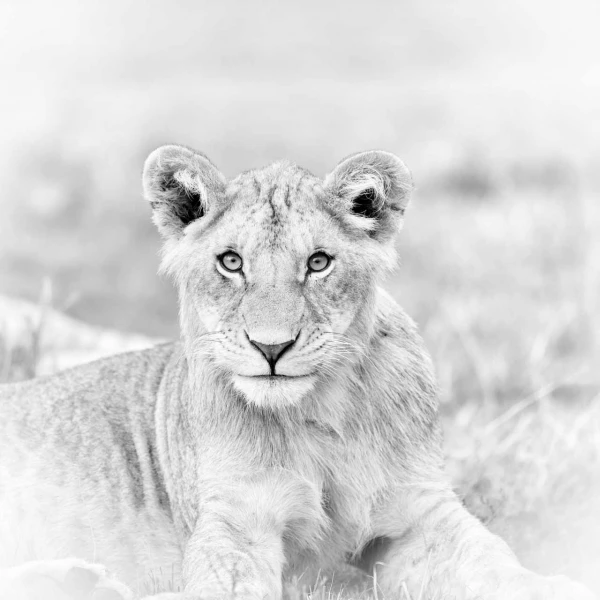
        Another case is that of a lioness who looks at an antelope with intense hunger. In this case, the message transmitted is more primal: it is that of survival in the species, that is, to eat and not be eaten.
      • The line of sight may not point to any particular spot captured within the frame of the photograph but may lead out of the scene presented. This is called the off-camera perspective in photography. I really like this technique because the spectator asks questions and wonders what the animal could be looking at. This technique allows the viewer to dream, to imagine. Indeed, it is the field of dream photography. In this case, it is the attitude of the animal that determines the nature of the scene. If the animal has a defensive attitude and physically displays muscles, it is because he saw danger. If, on the contrary, body language is relaxed, his look contains mere curiosity. Off-camera is a technique that I use often because it allows me to transmit many messages depending on the situation.

      Controlling the line of sight is essential, however, its implementation in the composition of a photograph depends completely on the messages or emotions that you want to convey.

      Some Examples of Mammal Looks

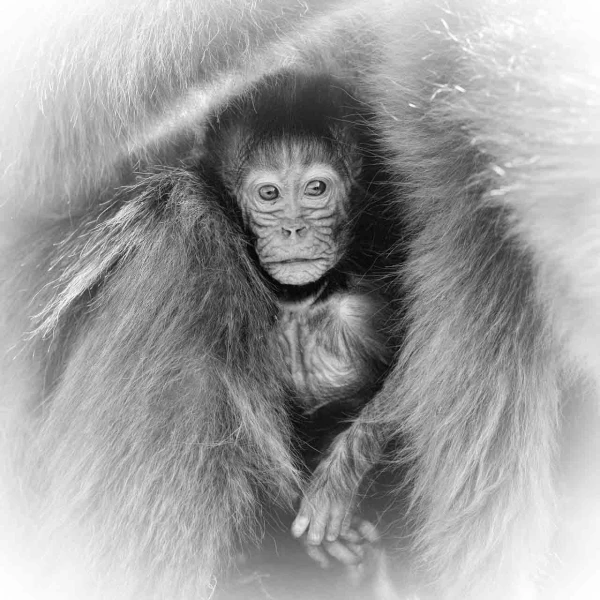
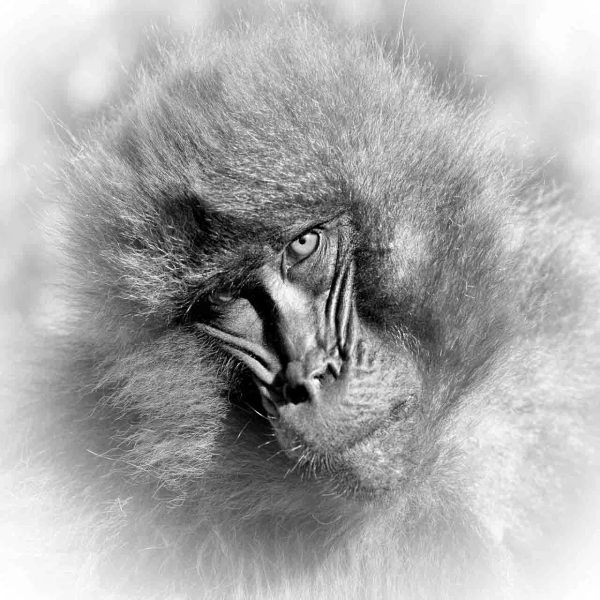
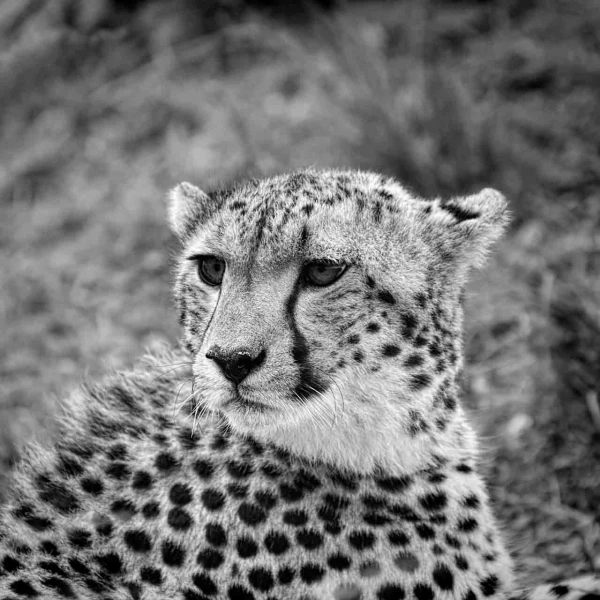
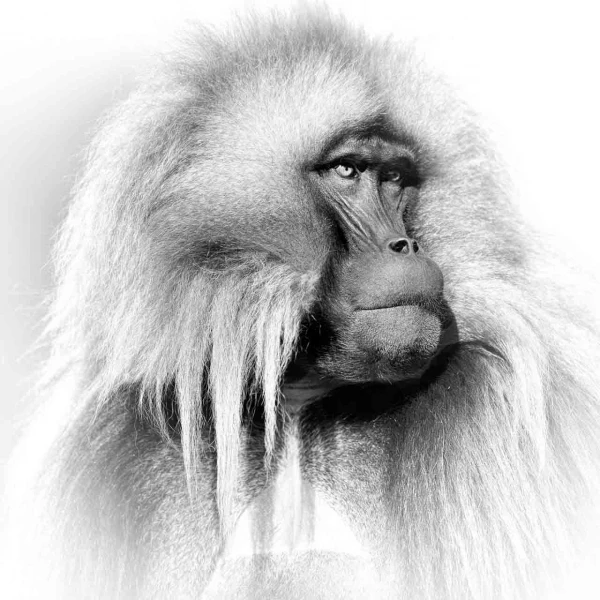
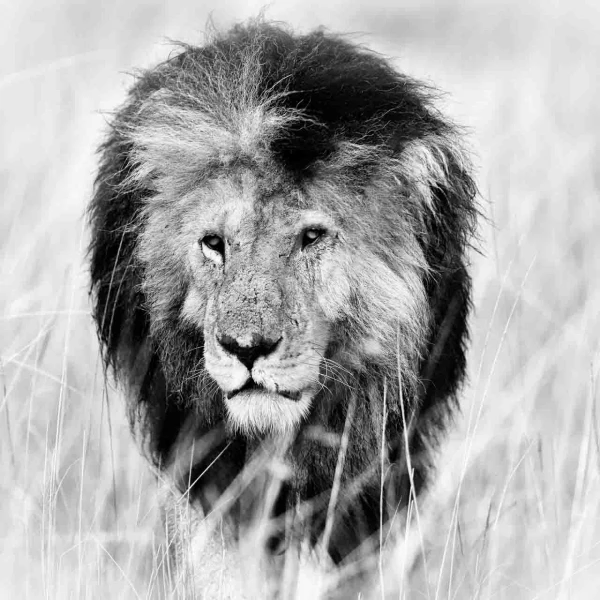
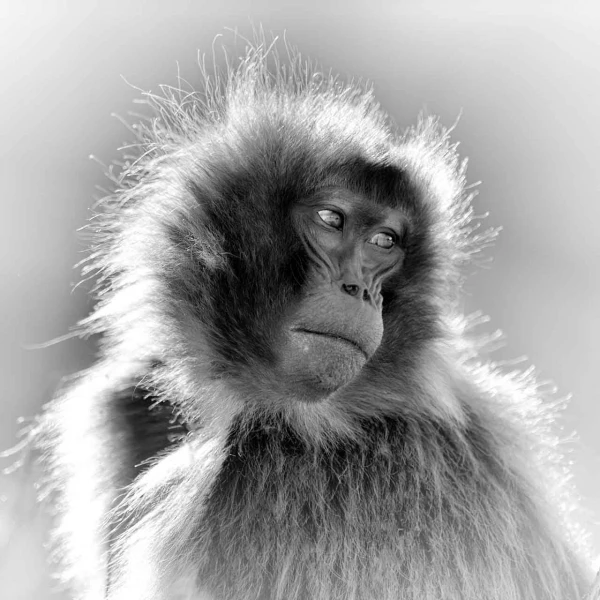
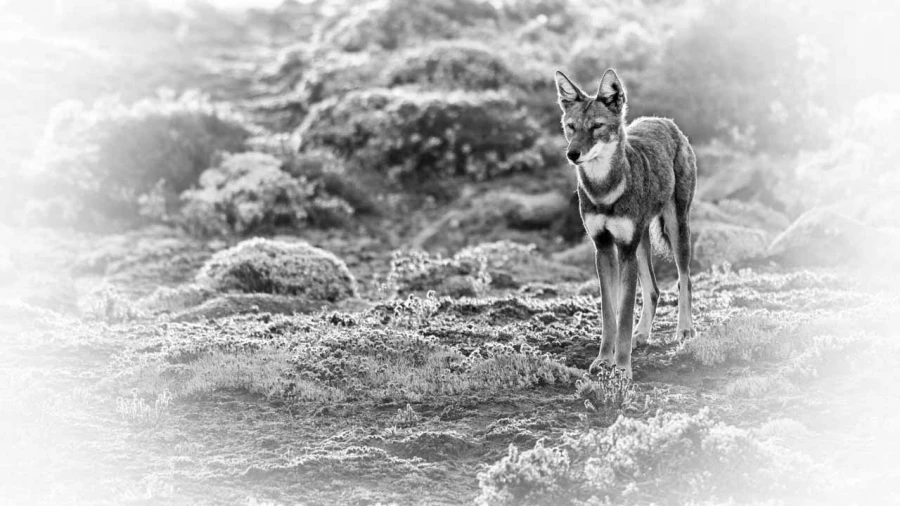
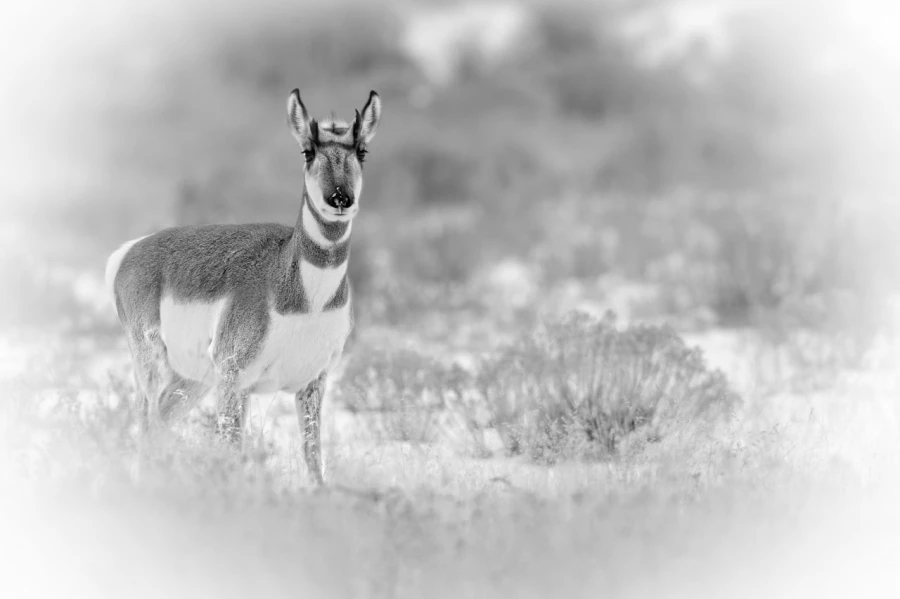
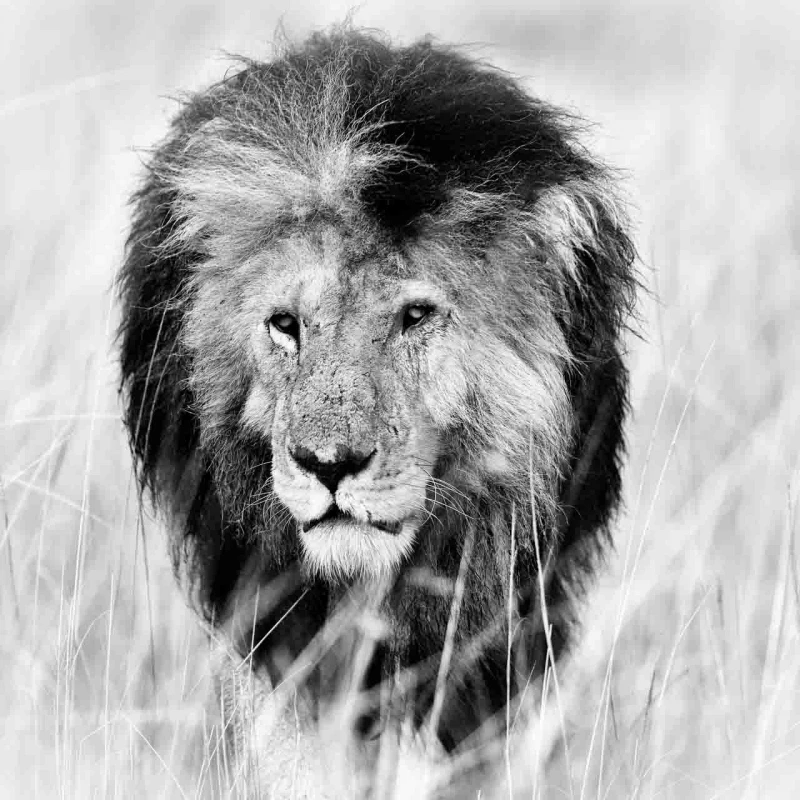
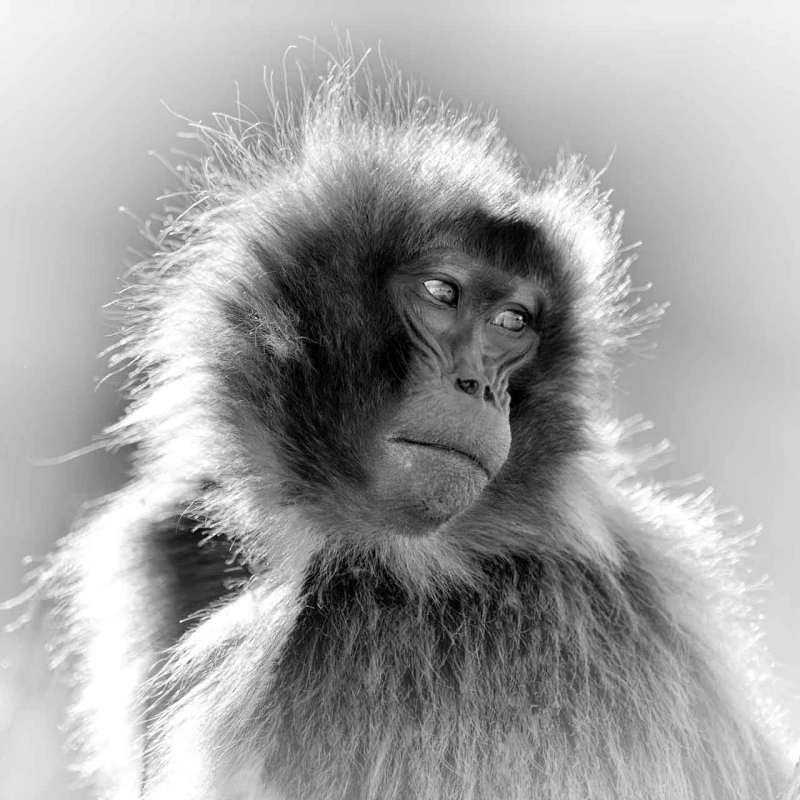
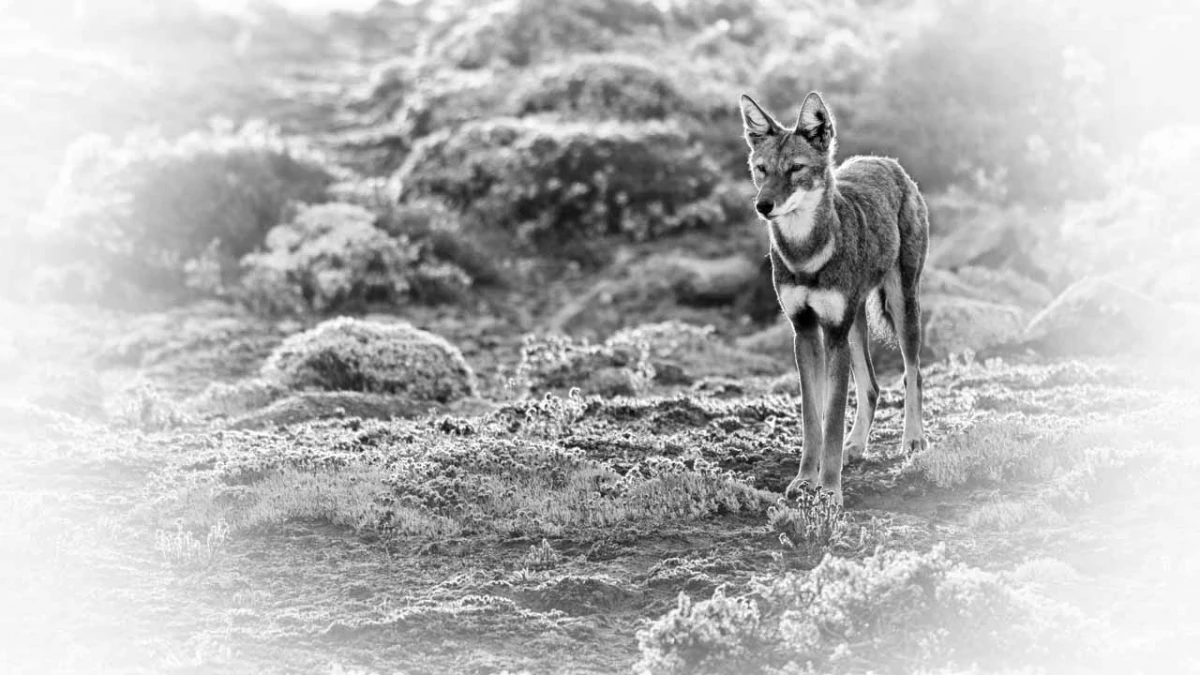
      • Wild mammal looks by Amar Guillen, photographer artist.
        Wild mammal looks by Amar Guillen, photographer artist.
        Wild mammal looks by Amar Guillen, photographer artist.
      • Wild mammal looks by Amar Guillen, photographer artist.
        Wild mammal looks by Amar Guillen, photographer artist.
        Wild mammal looks by Amar Guillen, photographer artist.
      • Wild mammal looks by Amar Guillen, photographer artist.
        Wild mammal looks by Amar Guillen, photographer artist.
        Wild mammal looks by Amar Guillen, photographer artist.
      • Wild mammal looks by Amar Guillen, photographer artist.
        Wild mammal looks by Amar Guillen, photographer artist.
        Wild mammal looks by Amar Guillen, photographer artist.
      • Wild mammal looks by Amar Guillen, photographer artist.
        Wild mammal looks by Amar Guillen, photographer artist.
        Wild mammal looks by Amar Guillen, photographer artist.
      • Wild mammal looks by Amar Guillen, photographer artist.
        Wild mammal looks by Amar Guillen, photographer artist.
        Wild mammal looks by Amar Guillen, photographer artist.
      • Wild mammal looks by Amar Guillen, photographer artist.
        Wild mammal looks by Amar Guillen, photographer artist.
        Wild mammal looks by Amar Guillen, photographer artist.
      • Wild mammal looks by Amar Guillen, photographer artist.
        Wild mammal looks by Amar Guillen, photographer artist.
        Wild mammal looks by Amar Guillen, photographer artist.
      • Wild mammal looks by Amar Guillen, photographer artist.
        Wild mammal looks by Amar Guillen, photographer artist.
        Wild mammal looks by Amar Guillen, photographer artist.
      • Wild mammal looks by Amar Guillen, photographer artist.
        Wild mammal looks by Amar Guillen, photographer artist.
        Wild mammal looks by Amar Guillen, photographer artist.
      • Wild mammal looks by Amar Guillen, photographer artist.
        Wild mammal looks by Amar Guillen, photographer artist.
        Wild mammal looks by Amar Guillen, photographer artist.
      • Wild mammal looks by Amar Guillen, photographer artist.
        Wild mammal looks by Amar Guillen, photographer artist.
        Wild mammal looks by Amar Guillen, photographer artist.
      • Wild mammal looks by Amar Guillen, photographer artist.
        Wild mammal looks by Amar Guillen, photographer artist.
        Wild mammal looks by Amar Guillen, photographer artist.
      • Wild mammal looks by Amar Guillen, photographer artist.
        Wild mammal looks by Amar Guillen, photographer artist.
        Wild mammal looks by Amar Guillen, photographer artist.
      Wild mammal looks by Amar Guillen, photographer artist.
      Wild mammal looks by Amar Guillen, photographer artist.
      Wild mammal looks by Amar Guillen, photographer artist.
      Wild mammal looks by Amar Guillen, photographer artist.
      Wild mammal looks by Amar Guillen, photographer artist.
      Wild mammal looks by Amar Guillen, photographer artist.
      Wild mammal looks by Amar Guillen, photographer artist.
      Wild mammal looks by Amar Guillen, photographer artist.
      Wild mammal looks by Amar Guillen, photographer artist.
      Wild mammal looks by Amar Guillen, photographer artist.
      Wild mammal looks by Amar Guillen, photographer artist.
      Wild mammal looks by Amar Guillen, photographer artist.
      Wild mammal looks by Amar Guillen, photographer artist.
      Wild mammal looks by Amar Guillen, photographer artist.
        • Wild mammal looks by Amar Guillen, photographer artist.
        • Wild mammal looks by Amar Guillen, photographer artist.
        • Wild mammal looks by Amar Guillen, photographer artist.
        • Wild mammal looks by Amar Guillen, photographer artist.
        • Wild mammal looks by Amar Guillen, photographer artist.
        • Wild mammal looks by Amar Guillen, photographer artist.
        • Wild mammal looks by Amar Guillen, photographer artist.
        • Wild mammal looks by Amar Guillen, photographer artist.
        • Wild mammal looks by Amar Guillen, photographer artist.
        • Wild mammal looks by Amar Guillen, photographer artist.
        • Wild mammal looks by Amar Guillen, photographer artist.
        • Wild mammal looks by Amar Guillen, photographer artist.
        • Wild mammal looks by Amar Guillen, photographer artist.
        • Wild mammal looks by Amar Guillen, photographer artist.

        Breaking the Rule of Thirds

        1. A Universal Photographic Language Does Not Exist
        2. Why and How Speaking in the Language of Photography
        3. Photographing the Atmosphere of Yellowstone in Winter
        4. How Photographing Yellowstone in Winter

        Page 76 of 201

        • 71
        • 72
        • 73
        • 74
        • 75
        • 76
        • 77
        • 78
        • 79
        • 80
        1. You are here:  
        2. Home
        3. Blog Photographic Approach

        Share on Social Media

        Post
        Share
        Share
        E-mail
        WhatsApp
        Text

        Join Me on Social Networks

        Join Me on Facebook  Join Me on Instagram  Join Me on LinkedIn

        Claim your free guide to make your photo impactful and meaningful

        Claim Your Free Guide '50 Pages of Tips to Give Impact and Meaning to Your Photos'.

        1 + 9 =

        Click Here To Discover All My Chronicles About the Photographic Approach.

        Treat Yourself to a Fine Art Print That Matches your Personality

        Example of a vacation home interior with a black and white fine photo art displayed on the wall.

        Fine Art Print Collections in Black and White

        Fine Art Print Collections in Black and White Black and white photography is a suitable technique for many nature scenes. It requires a particular frame of mind. A black and white photograph should be prepared and planned from the framing to the…
        11998
        Fine Art Print Collections in Black and White
        An abstract art photo displayed in a contemporary living room decor.

        Fine Art Print Collections in Color

        Collections of Fine Art Prints in Color Color photographs allow digressions and take the audience to the message by secondary ways. The world around us, especially nature, is colorful. A color image can show the way our surroundings really are. Of course, it…
        10446
        Fine Art Print Collections in Color
        Example of a home interior with fine art prints in my style back to black displayed on the wall. These photos are a part of my collection 'Wild beauties of Kenya'.

        Fine Art Print Collections in Back to Black

        Fine Art Print Collections in Back to Black I want to share my fine art prints of nature in a personal style that I call "back to black." "Back to Black" was developed to embody a sharp and clean style for artistic photos that can be hung in your living room,…
        9984
        Fine Art Print Collections in Back to Black
        A waiting room with a photo in the style Fusion displayed on the wall. Grey Heron in Fusion.

        Fine Art Print Collections with the Fusion Style

        Fine Art Print Collections with the Fusion Style I would like to share a very creative and modern photography style to represent Nature in a very different way. I call it "Fusion." I created the style to offer dynamic photos, allowing you to start a good day…
        7915
        Fine Art Print Collections with the Fusion Style
        A living room with a photo in the style 'Impression' exposed on the wall. Rising sun in impression

        Fine Art Print Collections with the ‘Impression’ Style

        Fine Art Print Collections with the ‘Impression’ Style The objective of this photographic style is to create the ephemeral blurs. That's why I named it 'Impression.' Photography, as an art form, is a powerful means of expressing reality from different…
        5830
        Fine Art Print Collections with the ‘Impression’ Style
        Fine art prints from the style back to black displayed on a wall. Amar Guillen, photographer artist

        New Collections of Fine Art Prints Dedicated to the Wonders of Nature

        New and Updated Fine Art Print Collections Dedicated to the Wonders of Nature Fine art prints from the style back to black displayed on a wall.
        11449
        New Collections of Fine Art Prints Dedicated to the Wonders of Nature

        Themes of the Blog Articles

        Landscape of Arches National Park in Utah in black and white.

        Blog Articles Dedicated to Artist Statement

        Blog Articles Dedicated to Artist Statement
        Dunes of death Valley in Black and White

        Blog Articles Dedicated to Black and White Photography

        Blog Articles Dedicated to Black and White Photography
        Abstract photo or trees reflection on water

        Blog Articles Dedicated to Photographic Mindset

        Blog Articles Dedicated to Photographic Mindset
        Abstract photo of ridles on water

        Blog Articles Dedicated to Artistic Photography

        Blog Articles Dedicated to Artistic Photography
        Abstract photo of Yellowstone

        Blog Articles Dedicated to Photographic Language

        Blog Articles Dedicated to Photographic Language
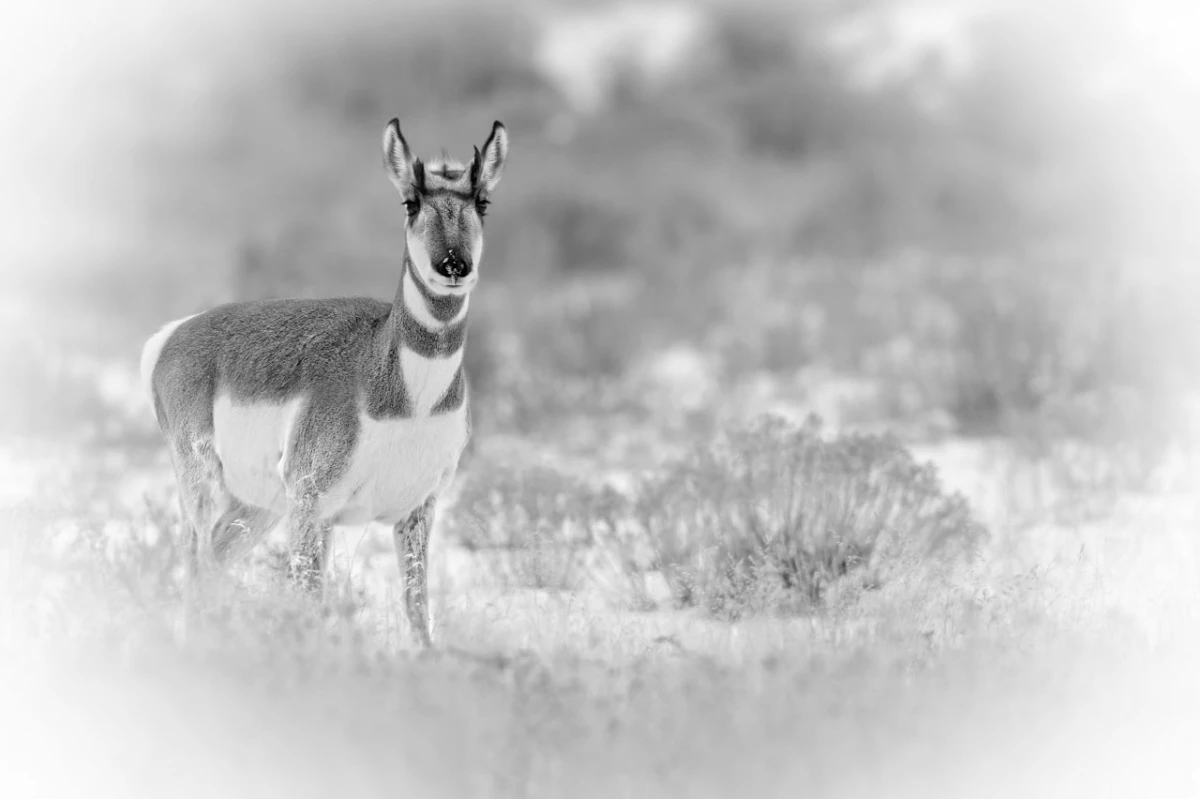
        Pronghorn in Yellowstone

        Blog Articles Dedicated to Wildlife Photography

        Blog Articles Dedicated to Wildlife Photography
        Landscape of Bryce Canyon

        Blog Articles Dedicated to Photographing United States

        Blog Articles Dedicated to Photographing United States
        Underwater waves in the Red Sea

        Blog Articles Dedicated to Photographic Techniques

        Blog Articles Dedicated to Photographic Techniques
        Tree of Black Canyon in Black and White

        Blog Articles Dedicated to Landscape Photography

        Blog Articles Dedicated to Landscape Photography
        Manta Ray in Maldives in Black and White

        Blog Articles Dedicated to Underwater Photography

        Blog Articles Dedicated to Underwater Photography
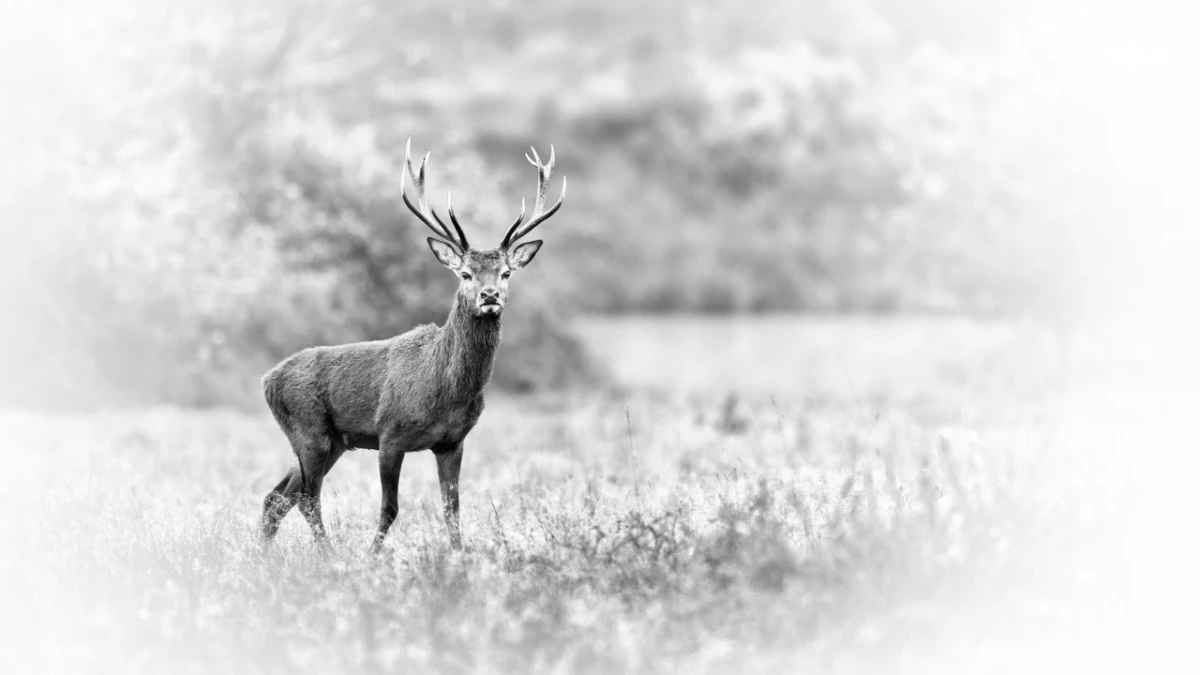
        Red Deer stag during the rut of the deer

        Blog Articles Dedicated to Photographic Judgement

        Blog Articles Dedicated to Photographic Judgement
        Great Crested Greb and his chick

        Unclassified Blog Articles

        Unclassified Blog Articles


        Receive Free Tips On How to Give Impact and Meaning to Your Photos. Subscribe to Receive Regular Articles.

        10 + 1 =

        Contact Me By Email

        5 + 7 =
        This site is protected by reCAPTCHA and the Google Privacy Policy and Terms of Service apply.

        About Amar Guillen, Creator of Fine Art Prints of Nature
        As a photographer capturing the artistic essence for several decades, I have mastered the art of crafting an authentic experience for art enthusiasts and collectors of visual art.
        When I observe my surroundings, be it friends, family, relationships, or professional contacts, I see souls in perpetual motion. Every moment of their existence is engulfed by daily hassles, work concerns, social media, online or televised information streams, and videos on the web.
        Every minute, they strive to accomplish something, fearing losing ground and feeling marginalized in this frenzied society. Imprisoned by an oppressive schedule, the essential eludes them, drowned in the tumult of daily life. Is it really crucial to watch yet another cat video on the internet? Is it necessary to post twenty daily messages on social media?
        Despite this, they remain constantly stressed and anxious about the challenges of the world, without being able to influence these monumental problems. It is at this moment that my artistic nature photographs come into play. Those who have had the privilege of hanging one of my works in their personal or professional space have expressed a radical transformation in their lives.
        Every day, contemplating these works of art immerses them in tranquility, inner peace, and rediscovered serenity. They then understand that nature has the power to unravel tensions, to encourage reflection on the essential. Artistic photographs thus become open windows to the wonders of nature.
        I have chosen to share the best of myself by helping others discover their identity, personality, style, all while reconnecting with nature. Take the time to explore my artistic photographs if you wish to reveal your true essence. Once hung in your space, your view of the world will be transformed.
        Amar Guillen is a creator of fine art prints of nature.
        I am Amar Guillen, creator of nature art photographs. I have a deep conviction that contemplating nature has the power to transform human beings. If everyone learned to know, respect, and preserve nature, our world would be transformed into a haven of peace where everyone would find their place.
        Copyright © 2003 - 2026 Guillen Photo LLC - All rights reserved. Amar Guillen, professional photographer since 2003.
        • Blog
        • Calibration
        • Legal Information
        • Sitemap
        • Accessibility
        • Contact Me
        • Updates of the Website
        I Want to Help You to Create Interesting Photos

        How Can I Help You To Create More Interesting Photos?

        Ask Me a Technical Question.
        Subscribe to my Newsletter. The Inspiration Behind Guillen Photo.

        Select your language

        • English (United Kingdom)
        • Français (France)
        Claim your free guide to make your photo impactful and meaningful

        Claim Your Free Guide '50 Pages of Tips to Give Impact and Meaning to Your Photos'.

        1 + 4 =

        Contact Me By Email

        5 + 5 =

        Office Address:
        3512 Robin Road
        Plano Texas 75075
        USA

        Office phone: (+1)214-769-6825